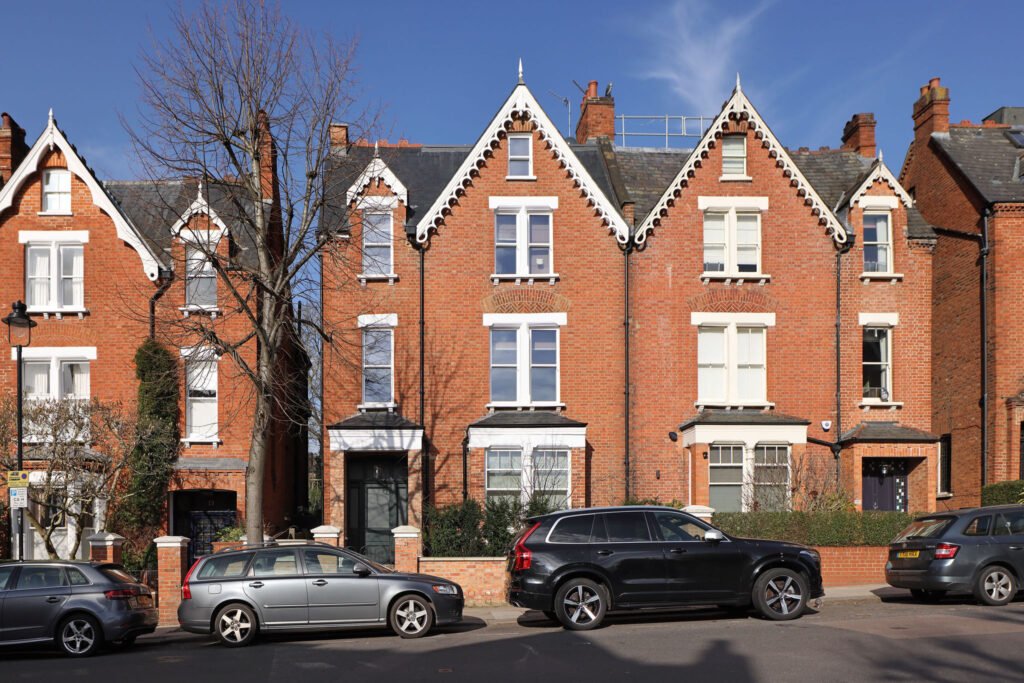
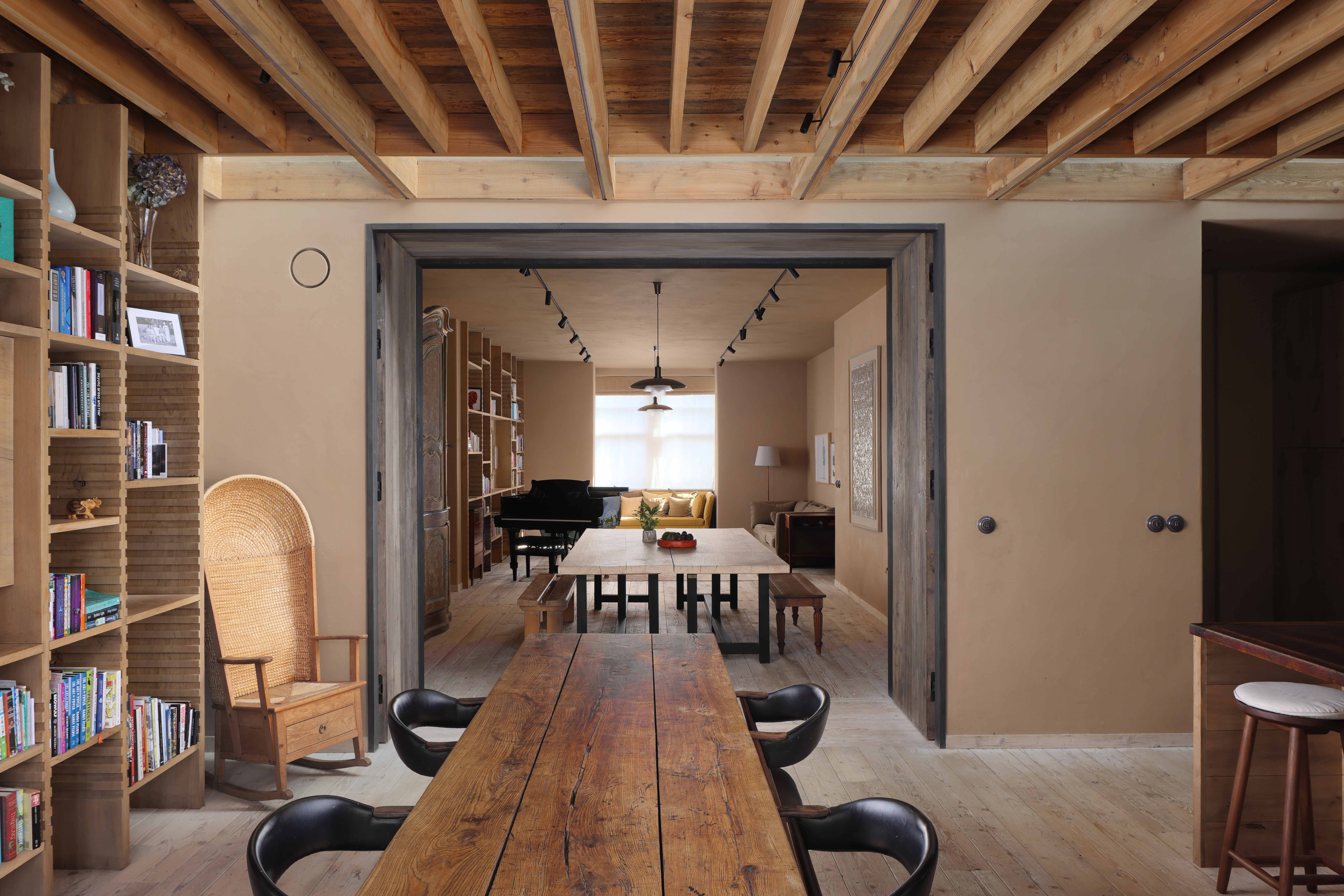
This project transformed a semi-detached Victorian villa near Hampstead Heath into a high-performance, future-ready family home, demonstrating how historic buildings can be sensitively upgraded to meet today’s environmental demands. Delivered within a Conservation Area, the renovation and extension involved a deep energy retrofit to achieve the rigorous Passivhaus EnerPHit standard for existing buildings.
Our clients set an ambitious brief: to create a comfortable, modern home while drastically reducing operational energy use and whole-life carbon. Their goal extended beyond personal benefit — they wanted to show that upgrading existing housing stock to exceptional performance levels is both achievable and desirable.
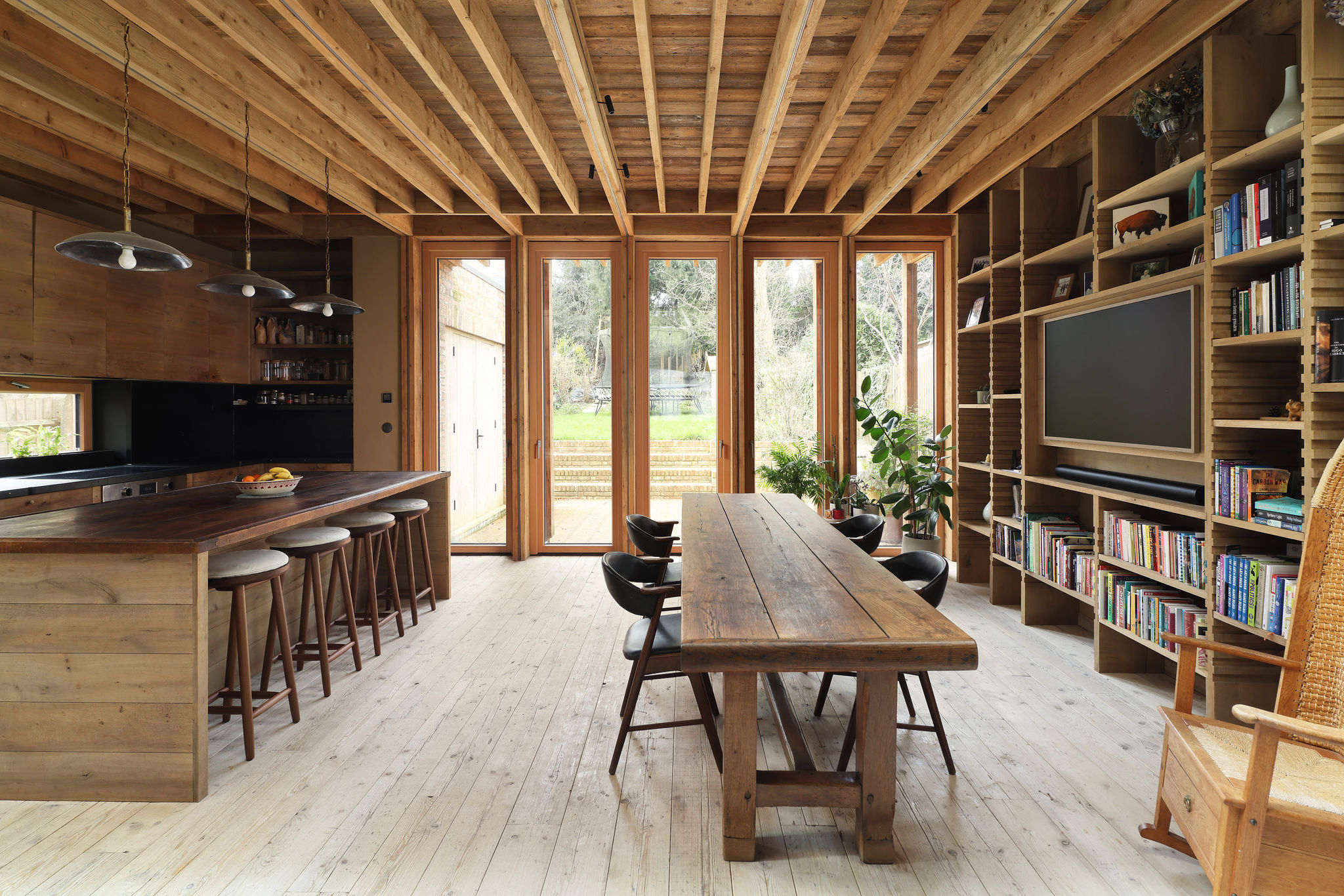
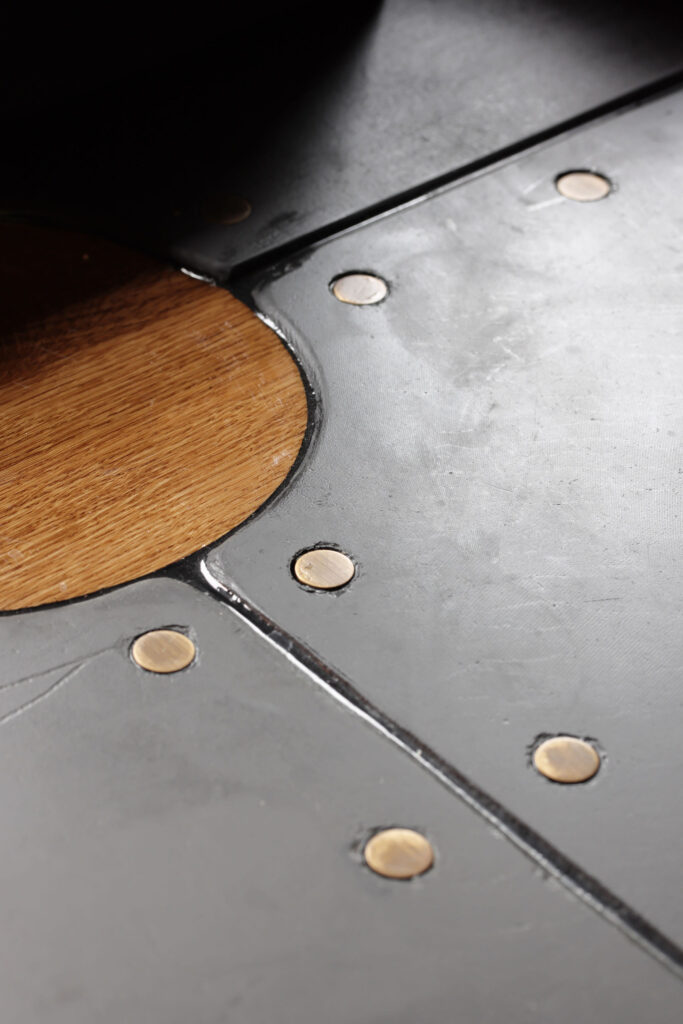
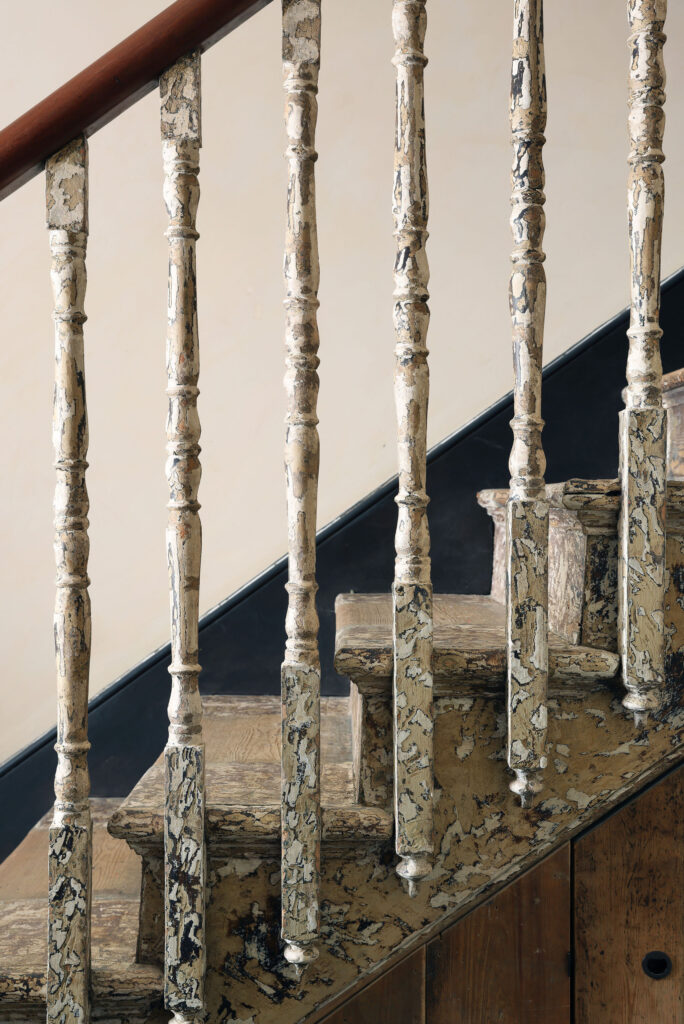
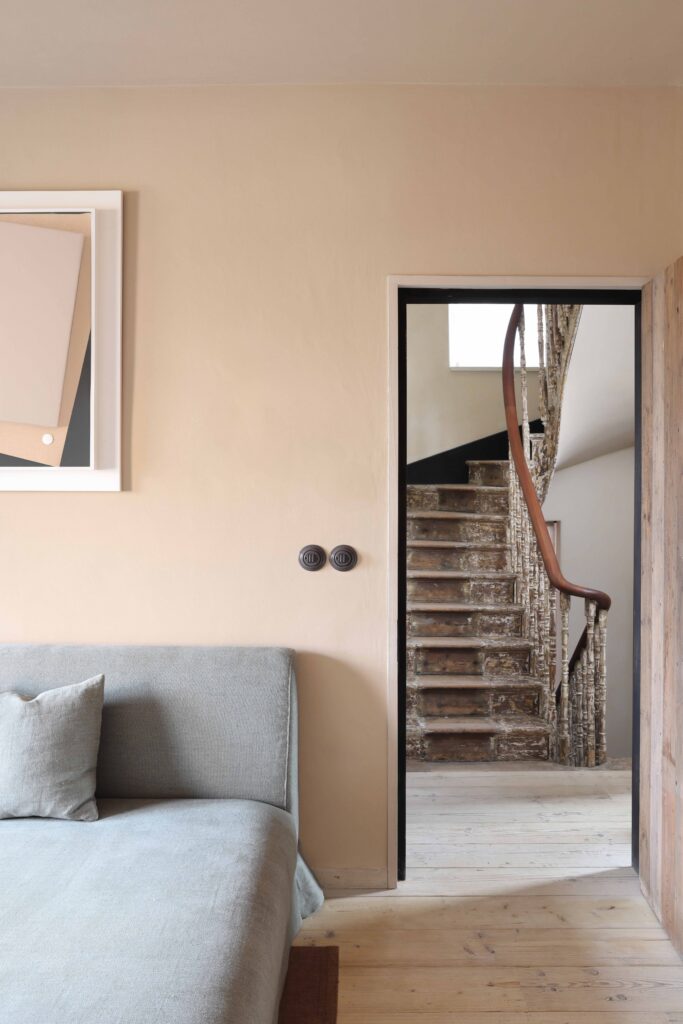
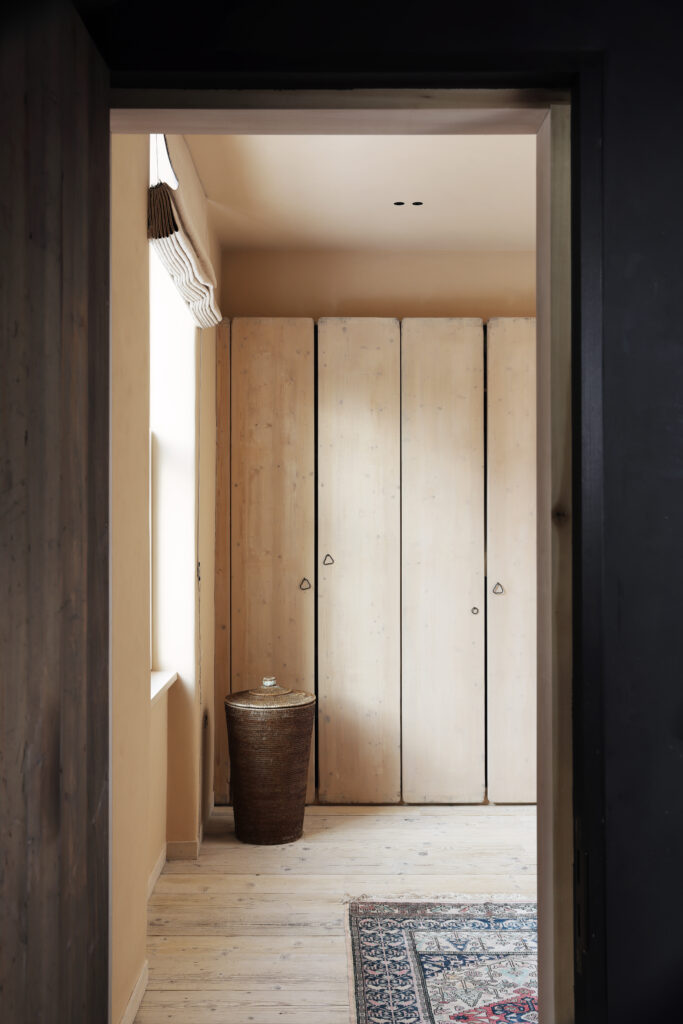
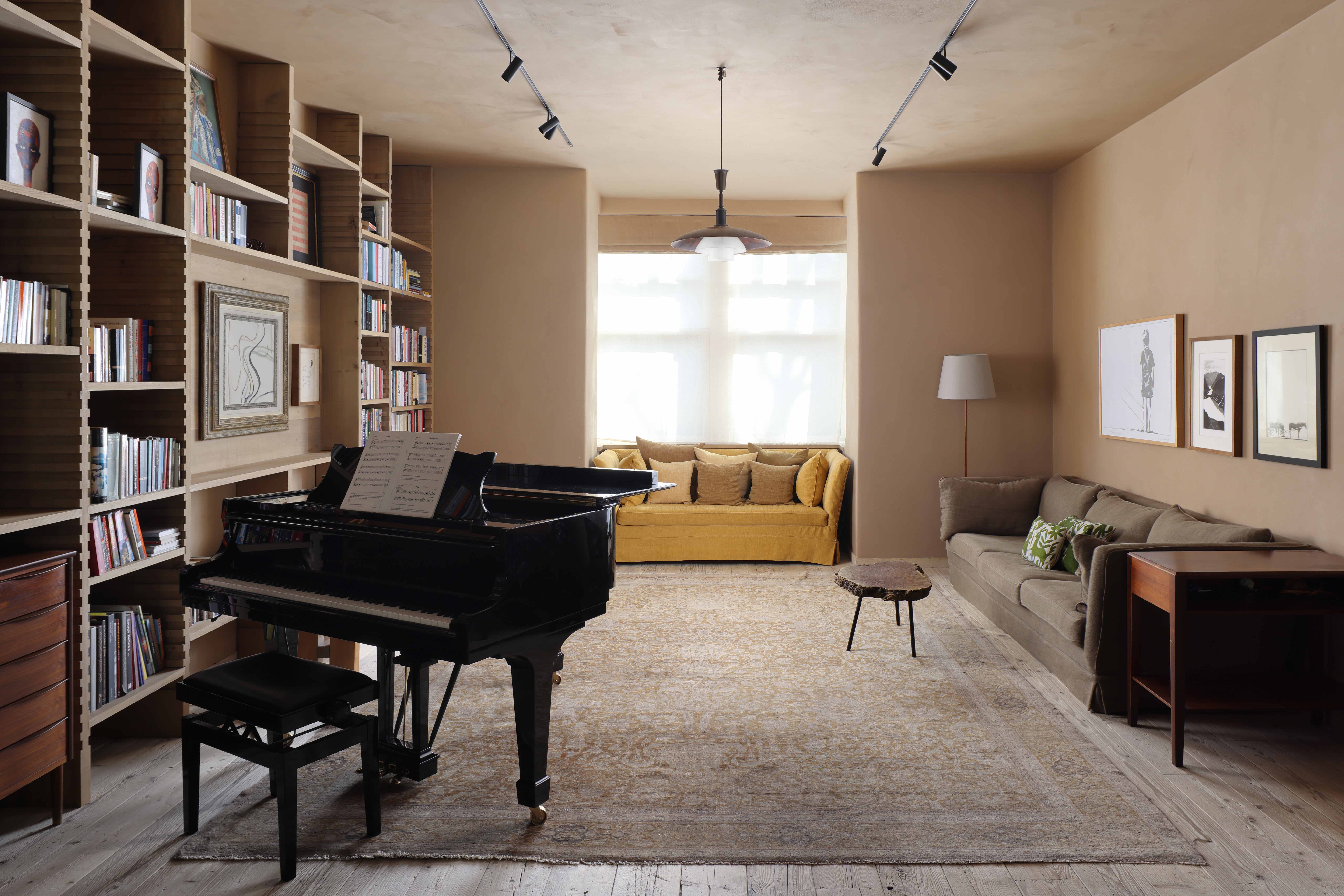
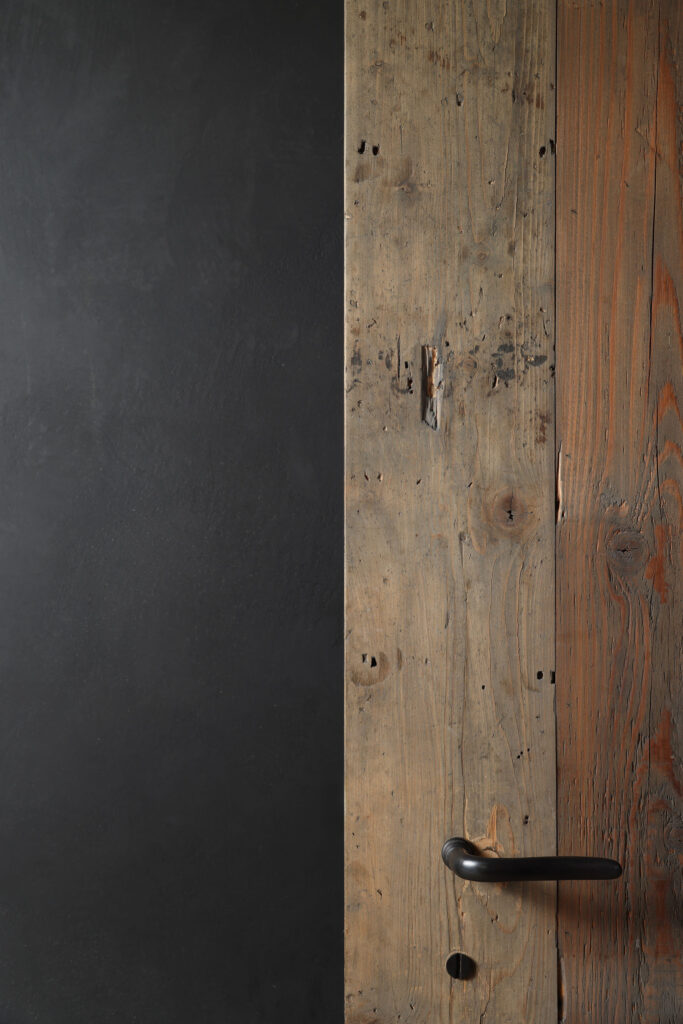
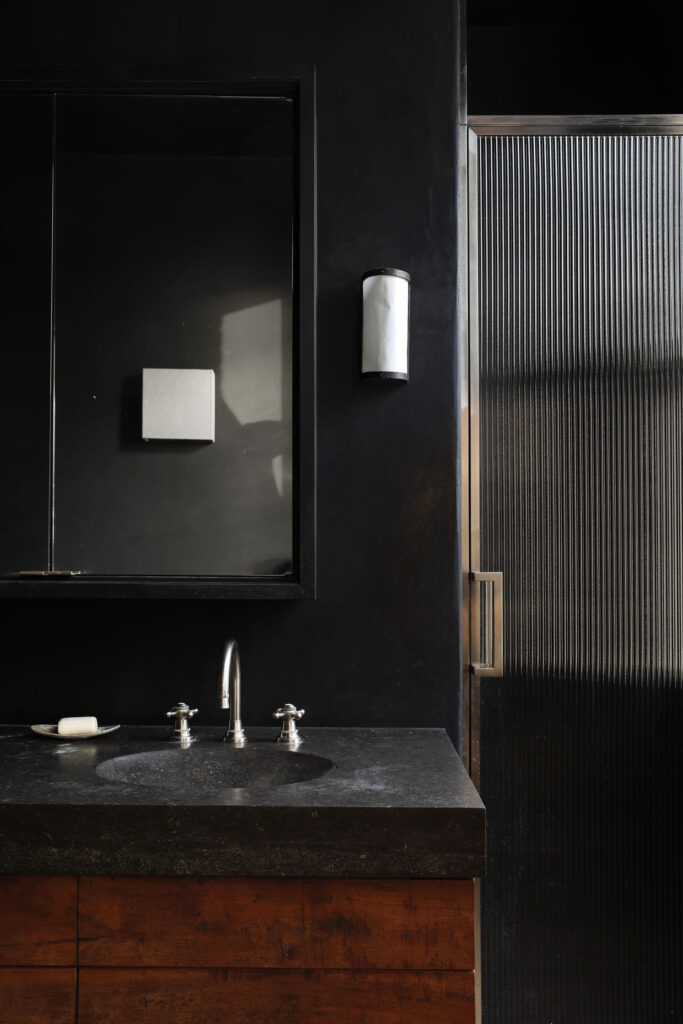
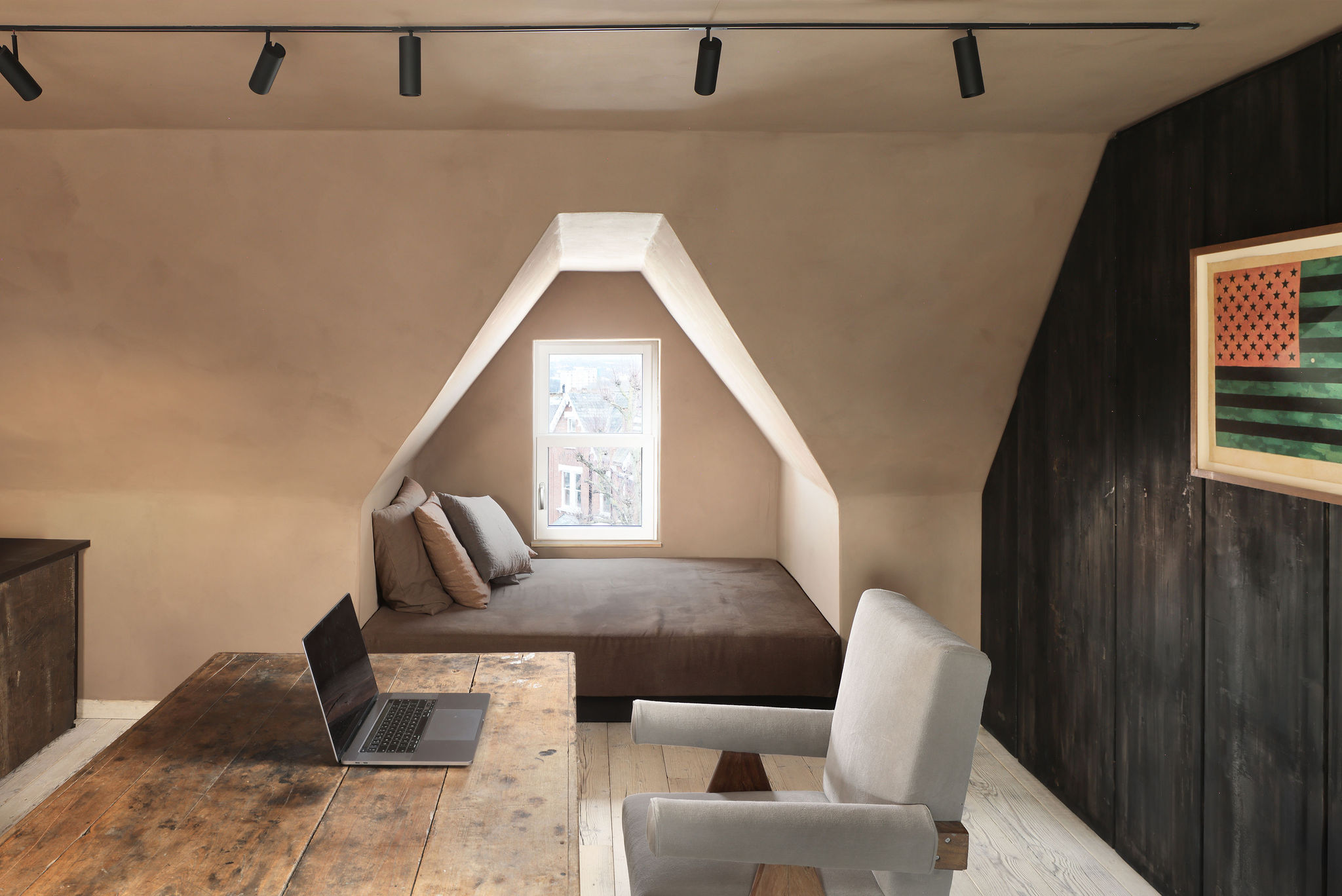
Where possible, the existing building fabric was preserved. The original staircase, structural fabric and many floorboards were retained, preserving character and avoiding unnecessary material loss. New materials and finishes were carefully selected to minimise environmental impact, avoiding petrochemical-based products and incorporating reclaimed or repurposed elements. Examples include snooker-table slate used as kitchen worktops, cupboard fronts made from cheese-production boards, and salvaged floorboards reused as soffit cladding. Even clay soil excavated from the rear garden was mixed into hand-crafted paint, creating a unique, site-specific colour palette.
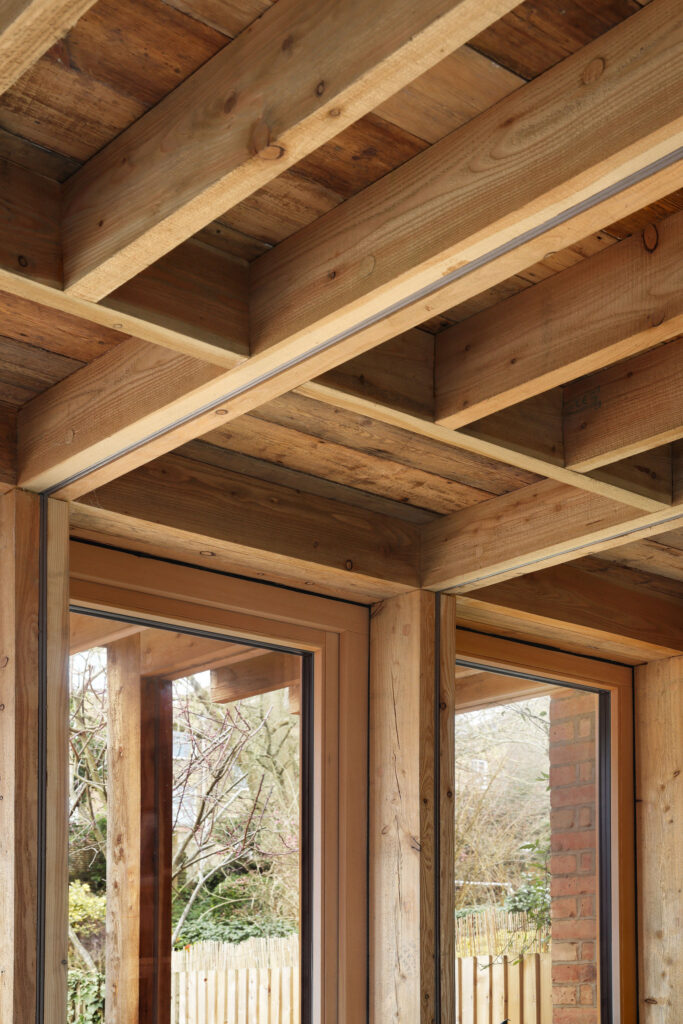
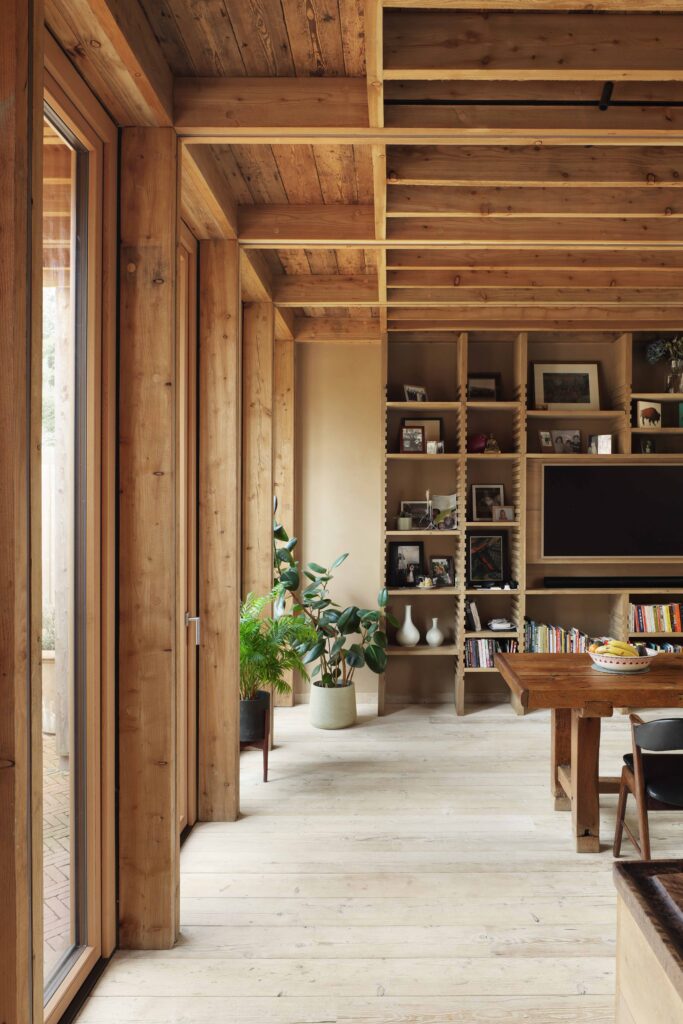
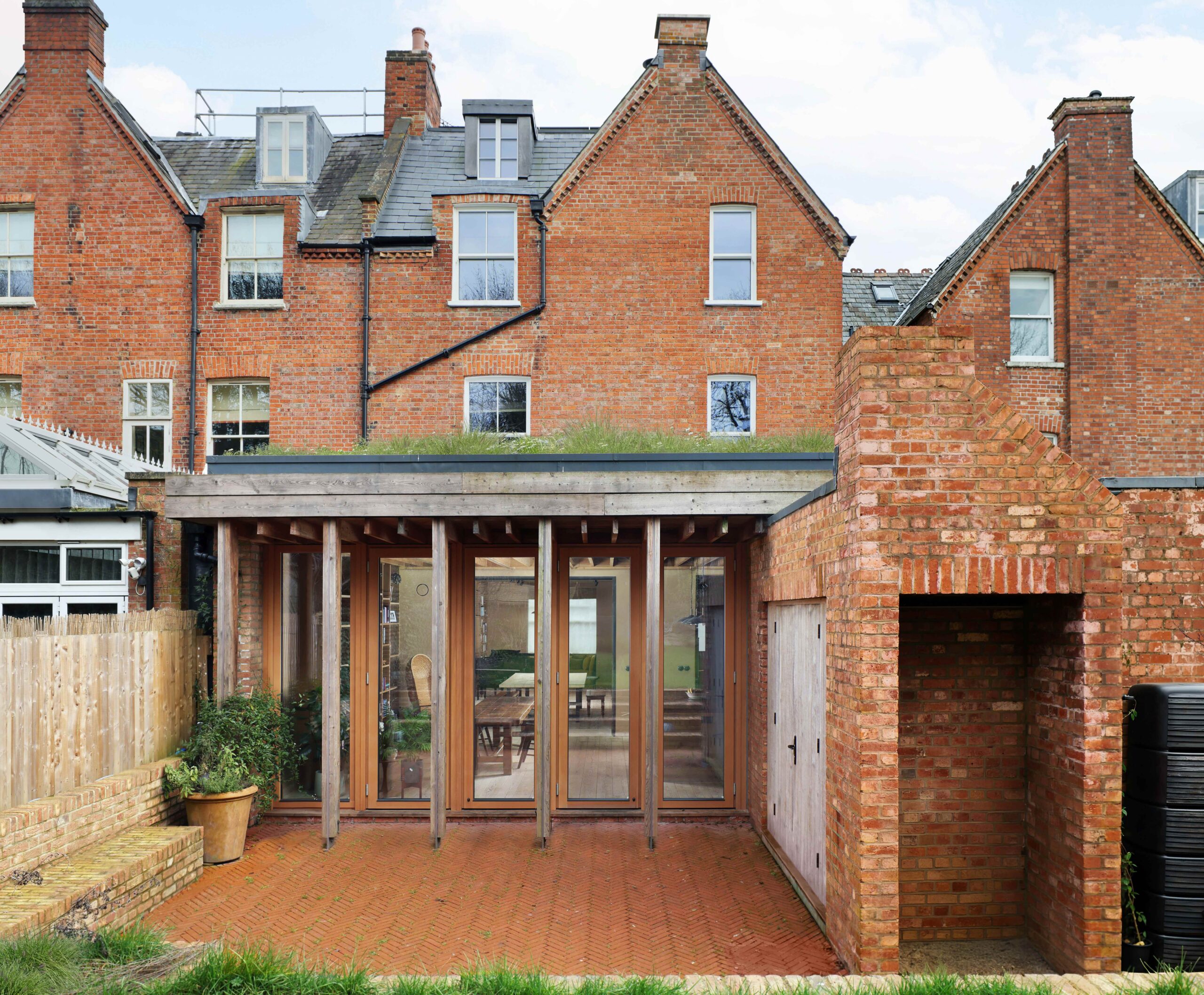
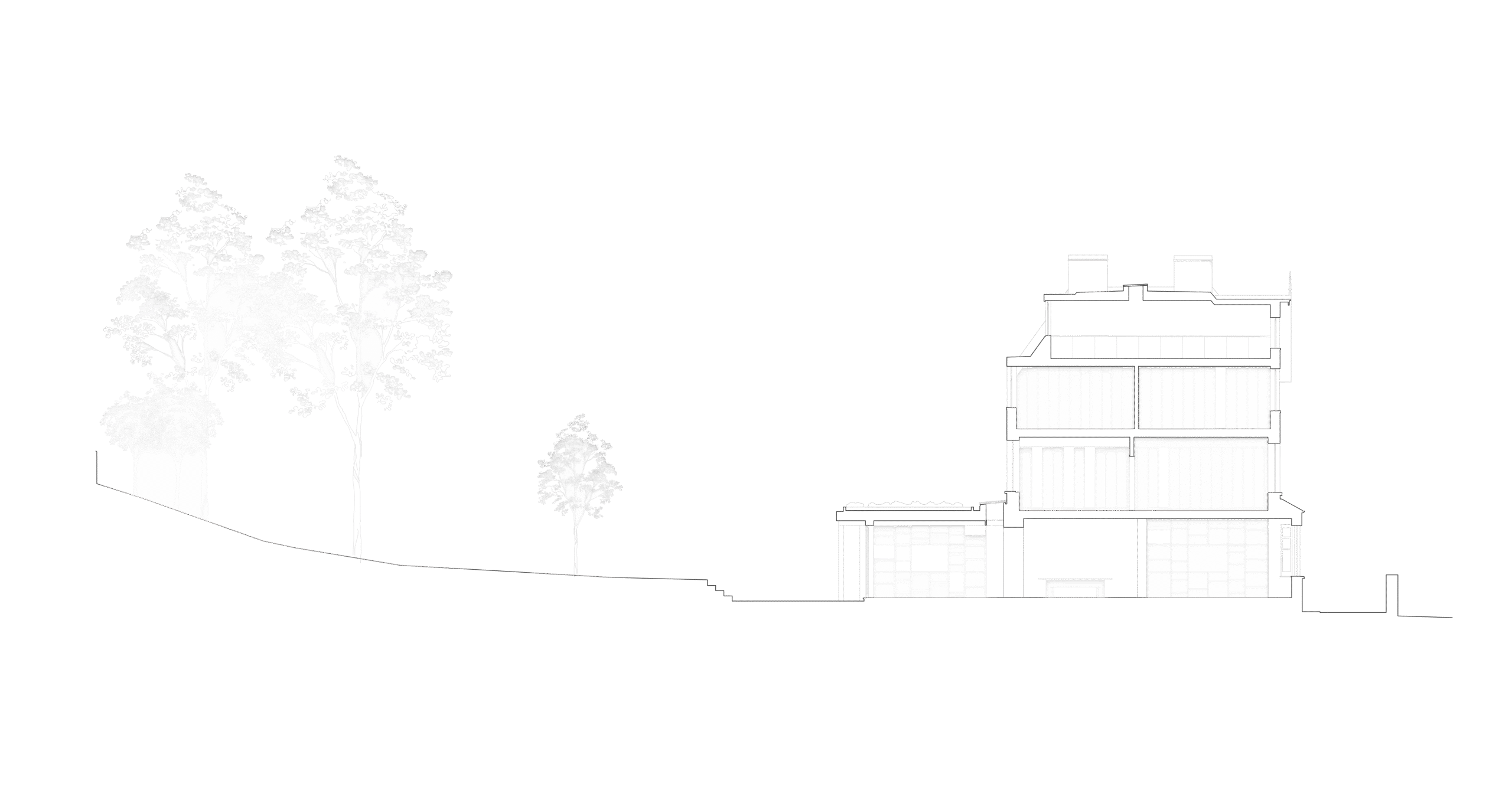
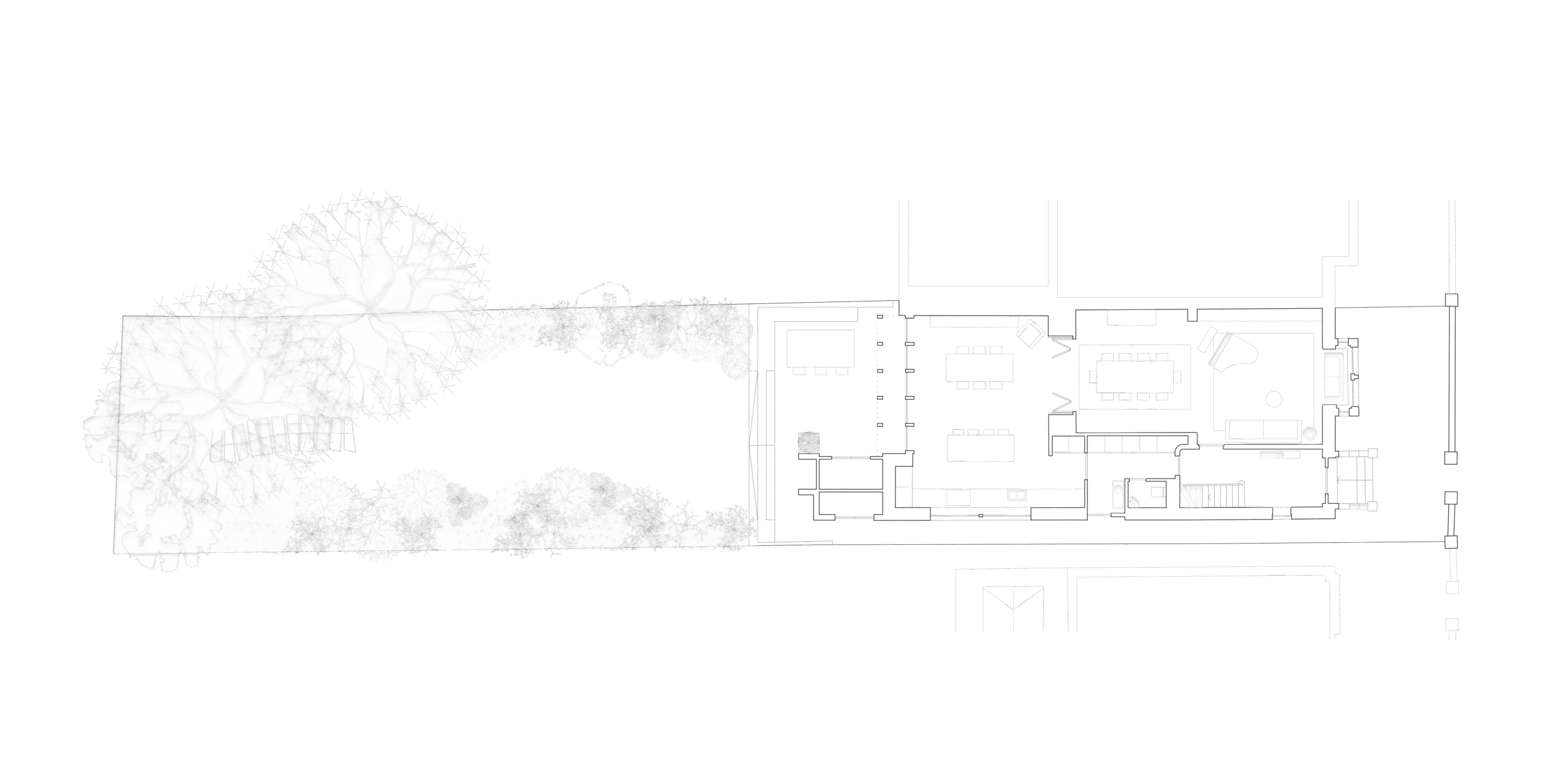
An existing rear conservatory and ancillary extensions were replaced with a timber-framed addition, seamlessly expanding the main family living space. Constructed with a low-carbon timber frame and avoiding concrete where possible, it is visually and materially compatible with the historic house. Reclaimed brick, and natural materials allow the addition to sit comfortably within its leafy context. Its scale, massing and detailing ensure harmony without pastiche, clearly expressing new work while respecting the old. The incorporated wildflower green roof enhances biodiversity while providing a natural connection between the upper-floor bedrooms and the garden beyond.
A fabric-first approach underpinned every decision. The existing building envelope was comprehensively upgraded using wood fibre insulation and lime-based internal linings, maintaining vapour permeability and supporting the house’s original breathable construction. Airtightness, thermal continuity and moisture management were carefully detailed and triple-glazed timber windows were designed to preserve historic proportions while significantly reducing heat loss.
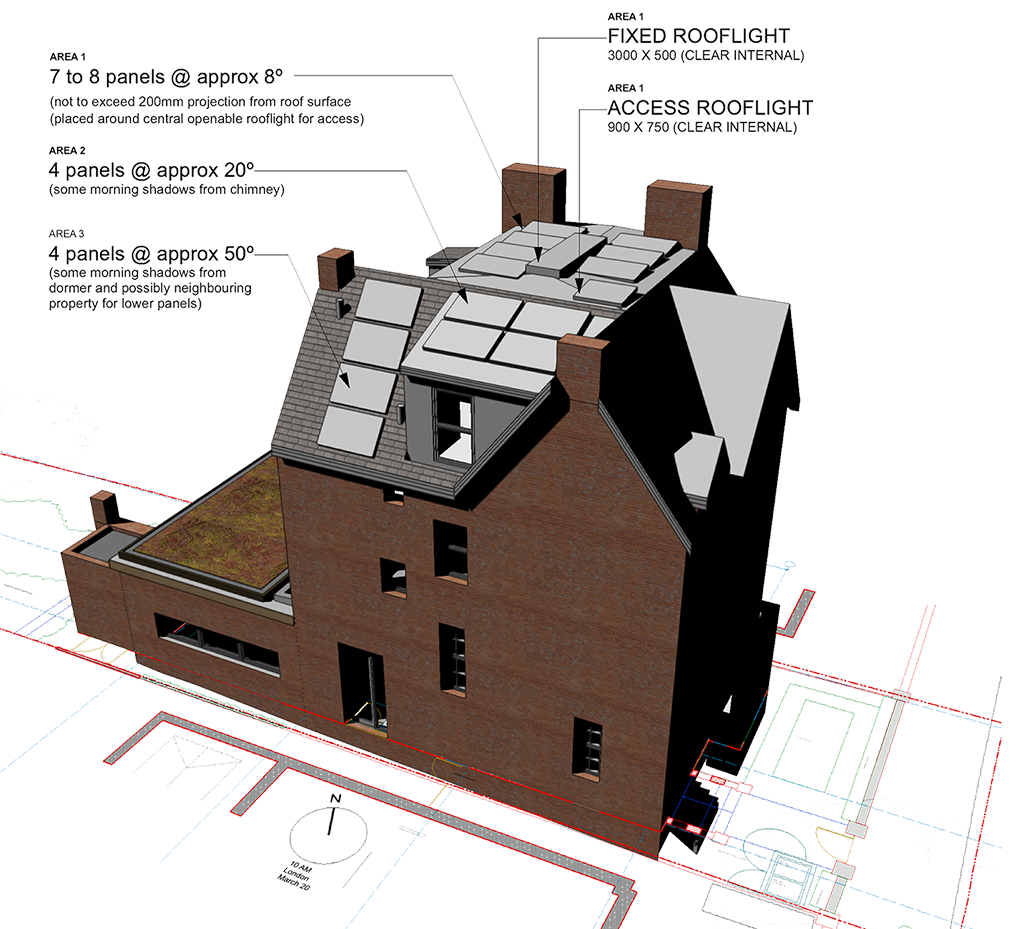
Building services were overhauled to support low-energy living. Mechanical ventilation with heat recovery (MVHR) ensures fresh air and consistent comfort while minimising energy demand. On-site photovoltaic panels, low-energy lighting and water-efficient fittings further reduce operational impact and therefore also running costs. The house operates with no fossil fuels on site and is fully electric, enabled by dramatically reduced heating demand. Together, these measures deliver a level of performance rarely achieved in comparable Victorian homes.
Delivering EnerPHit within a historic, occupied urban context required rigorous coordination, specialist oversight and careful budget management. Airtightness, ventilation and thermal detailing were achieved without compromising heritage values. The result is a refined, light-filled family home with excellent indoor air quality, stable temperatures and dramatically reduced carbon emissions.