Keep your Period Home Warm, Dry and Well Ventilated This Winter
Winter is coming.
The nights are drawing in, the mercury is dropping, and as we lurch from Indian summer to cold snap, we agonise over the right moment to turn the heating on.
We love their character and their charm, but period properties can be particularly susceptible to draughts, cold surfaces, condensation and mould through the long winter. Simply shutting all the windows, sealing everything up, and cranking up the thermostat isn’t necessarily the answer – not for comfort, nor for health, nor for your bank balance.
Three body problem: warmth, humidity and ventilation.
We generate moisture every day through cooking, washing, drying clothes and simply breathing, adding many litres of water vapour to the air inside our homes. Warm air can carry much more moisture than cold air, so without adequate ventilation, humidity can quickly build up. And the more moisture the air contains, the more energy is needed to warm it – making a humid more expensive to heat.
Period properties were originally built to behave quite differently from modern homes. Draughty windows, open chimney flues and breathable materials provided a constant exchange of air that helped moisture escape. Over time, we have sealed windows, blocked fireplaces and often replaced breathable materials with less permeable ones. These changes can make homes less draughty, but without properly considered ventilation, they can also trap moisture inside.
When that warm, humid air meets a cold surface – a window, an external wall or an uninsulated corner – it condenses, creating the damp conditions in which mould, decay and other problems thrive. Keeping a period home healthy and comfortable therefore means getting three things working together: warmth, humidity and ventilation.
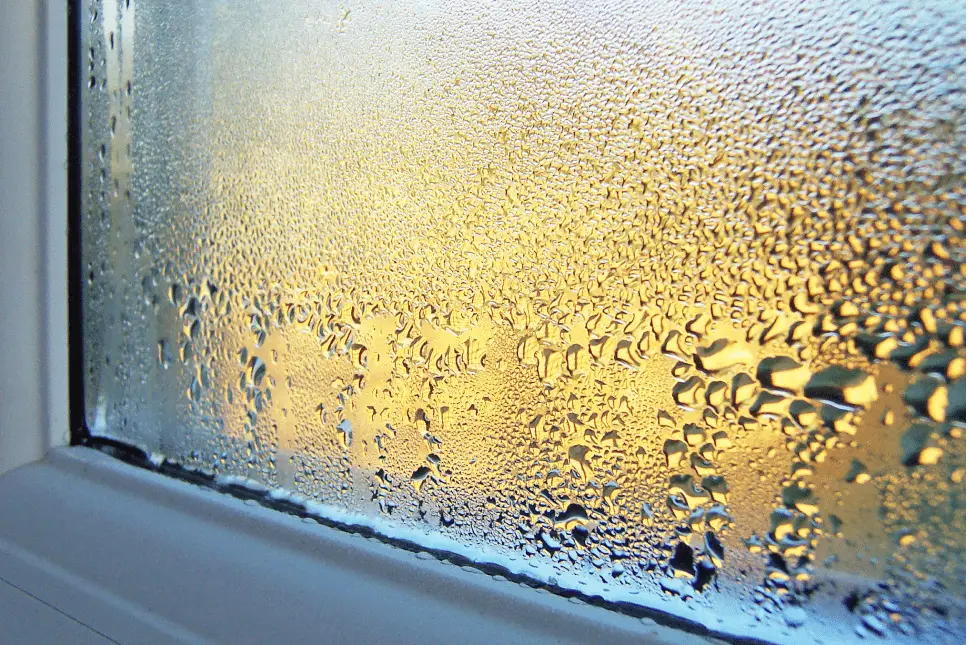
Figure 1: Condensation is a sign that airborne moisture levels are high.
Humidity & health.
Persistently high humidity creates conditions in which mould and dust mites thrive, which can aggravate allergies, asthma and other respiratory problems. Very dry air can also be uncomfortable, irritating the eyes, skin, nose and throat. Maintaining a relative humidity of around 40–50% during winter provides a sensible balance: comfortable for us, while reducing the conditions that encourage condensation and mould growth.
Knowledge is power.
The first step is to understand if you have an issue to address, so we would recommend buying a sensor or two to monitor indoor humidity. One for your main living area and another for the kitchen. Some simple measures to control humidity are to open windows when cooking or showering; to run extract fans in bathrooms and kitchens whilst washing or cooking; keep trickle vents on your windows open; check that any air vents in walls are not blocked. Additionally, consider running a dehumidifier if you have some persistently humid areas – or if you are drying clothes indoors, for example.
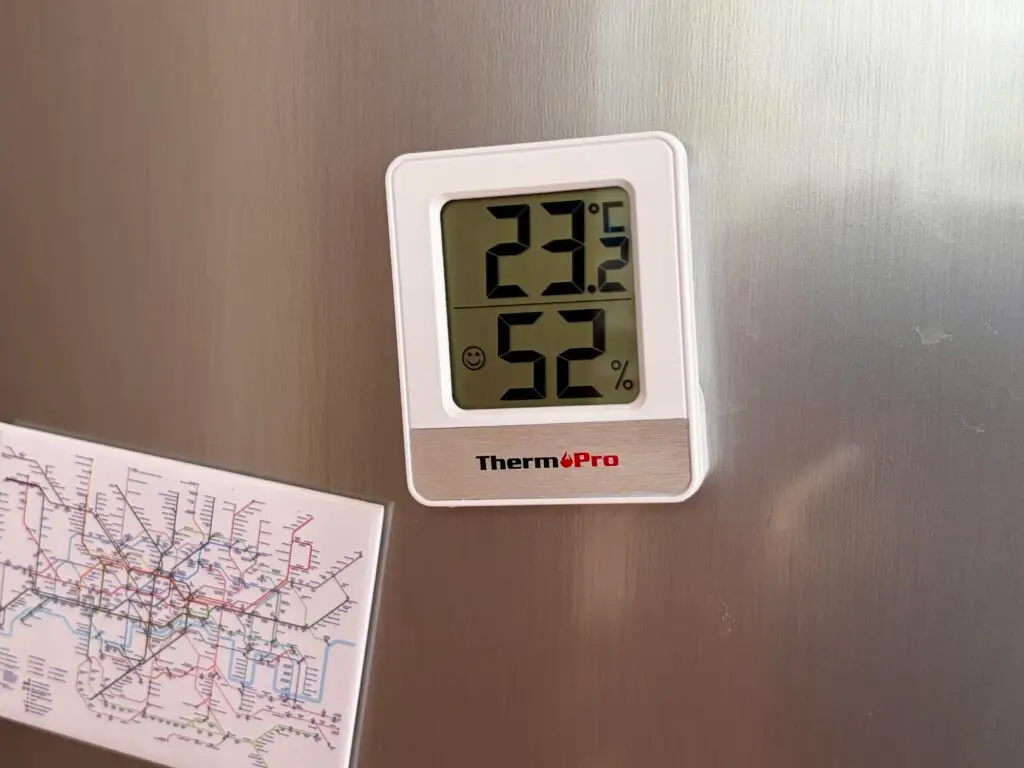
Figure 2: A humidity sensor can help you to monitor humidity levels.
A “shocking” idea.
The German practice of “stossluften” (shock-airing) can improve your air quality and help to bring down bills. Throw open your windows for a couple of minutes a day in winter to refresh the air in your house. By replacing the warm, damp air with cool, dry air your home may be easier and cheaper to heat. The fabric of the house (walls, floors, furniture) will not cool down much in a minute or two, and the air will warm up again soon enough. Even when it seems cold and damp outdoors, fresh air is much likelier to be dryer in relative terms than stale indoor air.
MVHR
For a less analogue approach, Mechanical Ventilation with Heat Recovery (MVHR) is a good solution and it is quite often suitable for installing into period homes, with relatively low levels of disruption.
Typically, a ventilation unit the size of a washing machine will be mounted in a utility or attic space. Flexible ducts will need to be installed that will draw warm, damp air from within the kitchen and bathrooms and expel it from the house. The clever bit is that the heat energy from this stale, damp air is recovered and transferred to an incoming fresh air supply. The unit draws in cool air from outside, warms it, and then supplies this warmed, fresh, air into your living spaces. The beauty is that you’re not losing all that heat that you’ve paid for, but the indoor environment is constantly refreshed – with the humidity controlled, your heating bills will be lower.
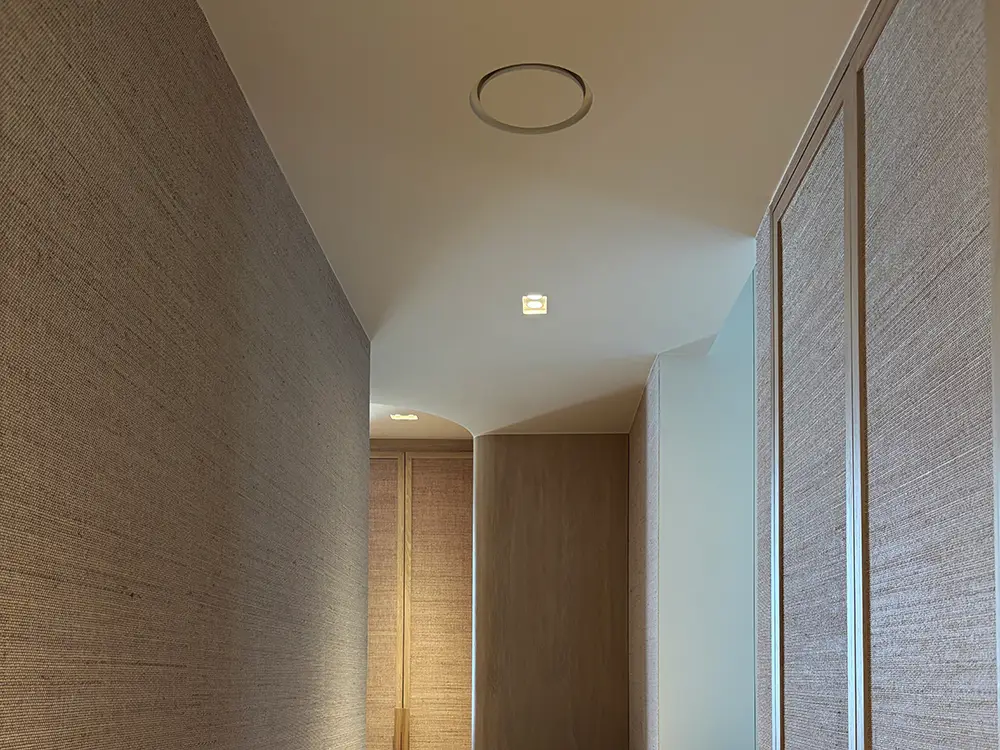
Figure 3: Sensitively designed MVHR systems and extract ducts can be integrated seamlessly into your home.
Insulation – proceed with caution.
In most period properties (Victorian, Edwardian, up to WWII) external walls will be built of solid brick with no insulation – with only a thin layer of plaster internally, and perhaps an external render coat. Before any insulation is installed, careful consideration must be given to the original building construction type; proposed insulation types and their respective pros and cons; and how these will manage and react with interior humidity levels.
External insulation is typically the safest option, as the internal moisture levels are less relevant. However, externally applied insulation will radically change the appearance of your property, covering those gorgeous details that you fell in love with when you bought the house. Pipes and other penetrations through exterior walls must be carefully considered to avoid water ingress problems.
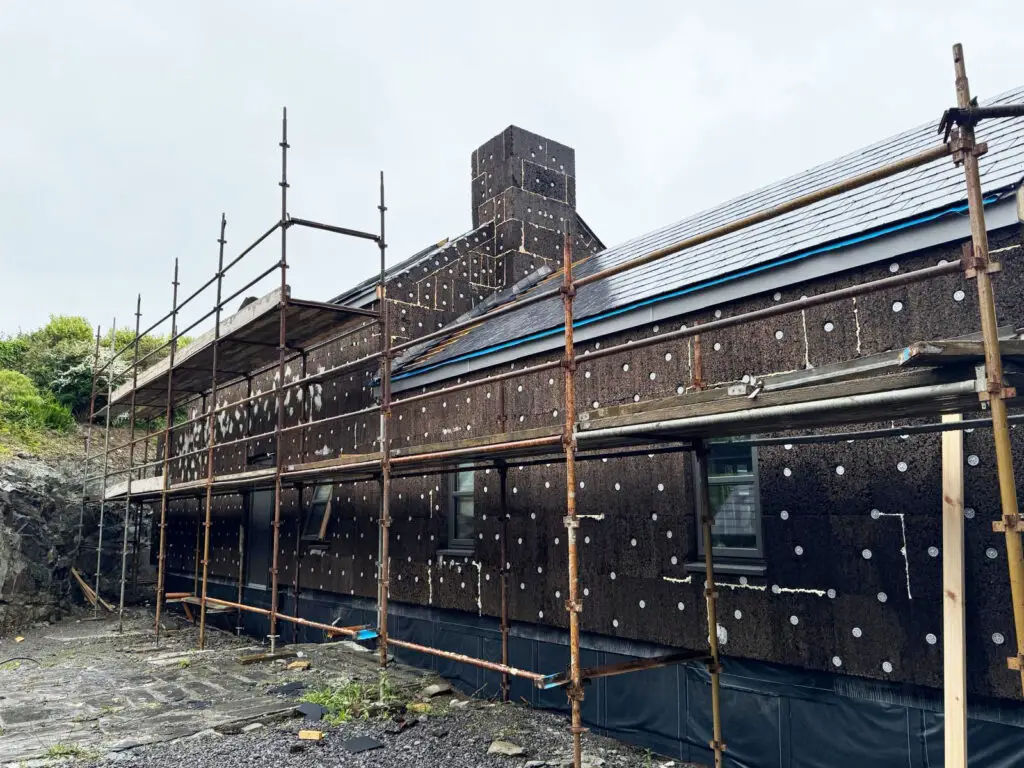
Figure 4: Exterior insulation is appropriate for some properties.
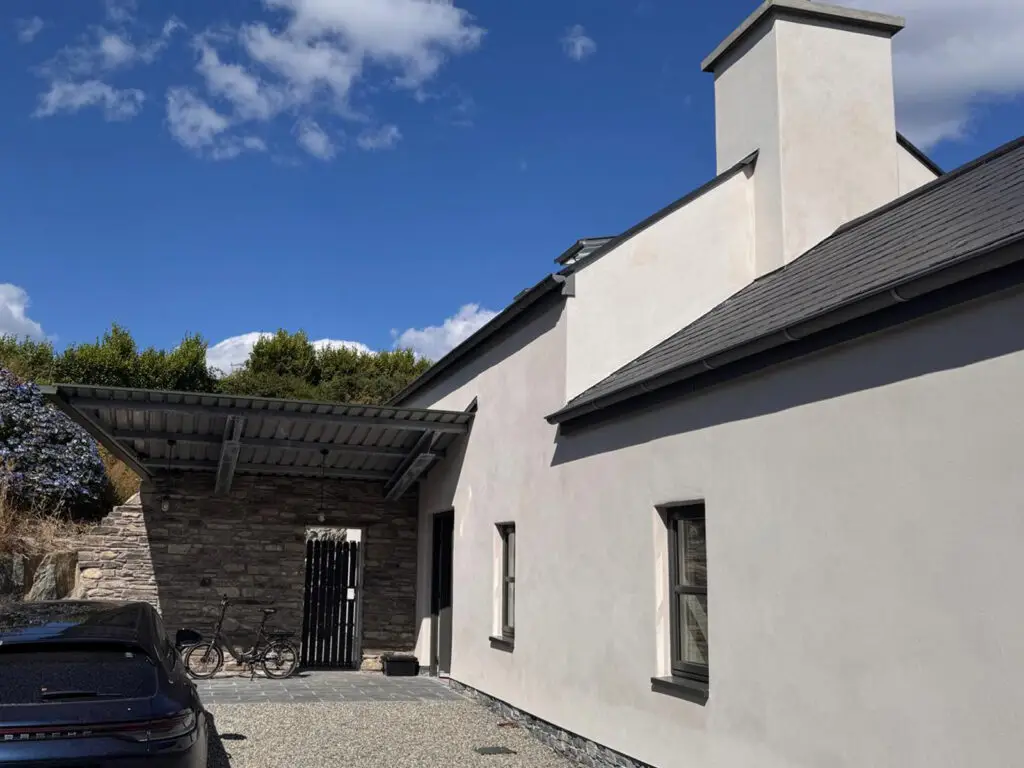
Figure 5: The above property shown with finished render coat applied to the insulation.
Internal insulation comes, broadly, in one of two types. The first is “non-breathable” insulation, for which it is essential to install a continuous vapour control layer that will prevent indoor moisture from entering the building fabric where it can get trapped and condense and cause problems. Alternatively, there are “breathable” insulating and finishing materials which must be carefully selected to allow moisture to enter the building fabric and then to escape, regulating the indoor humidity as it does. These breathable construction types are somewhat more analogous to how period properties were originally built: working with water vapour rather than against it.
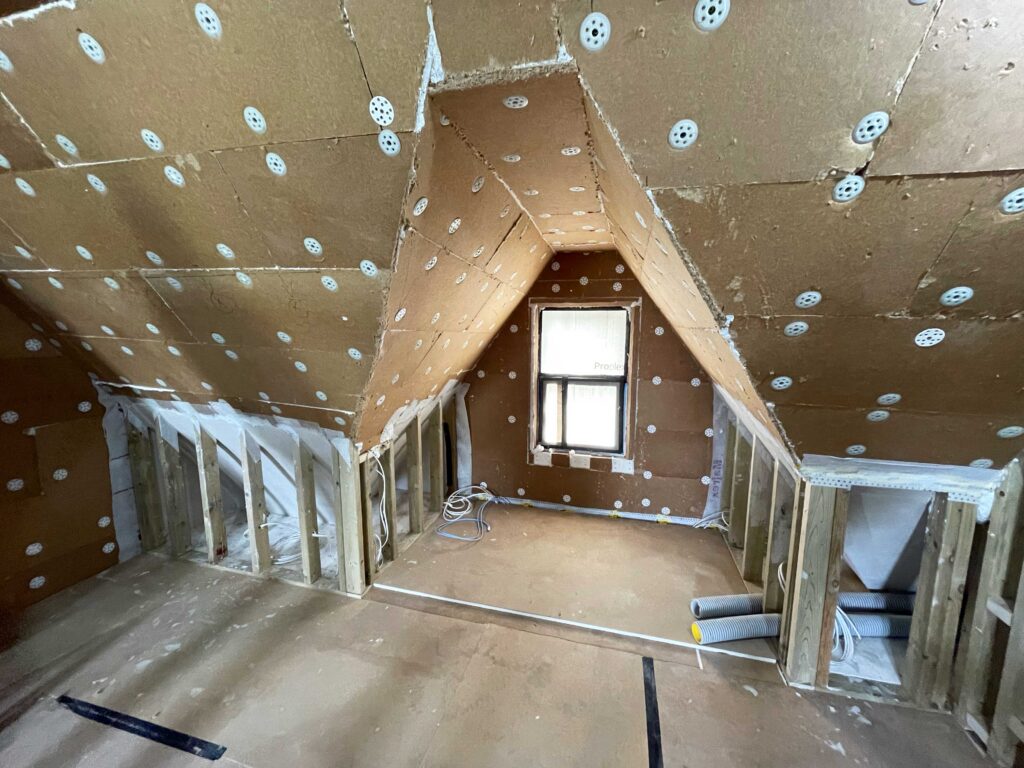
Figure 6: Internal insulation can be installed in various ways, here a breathable wood fibre product was installed.
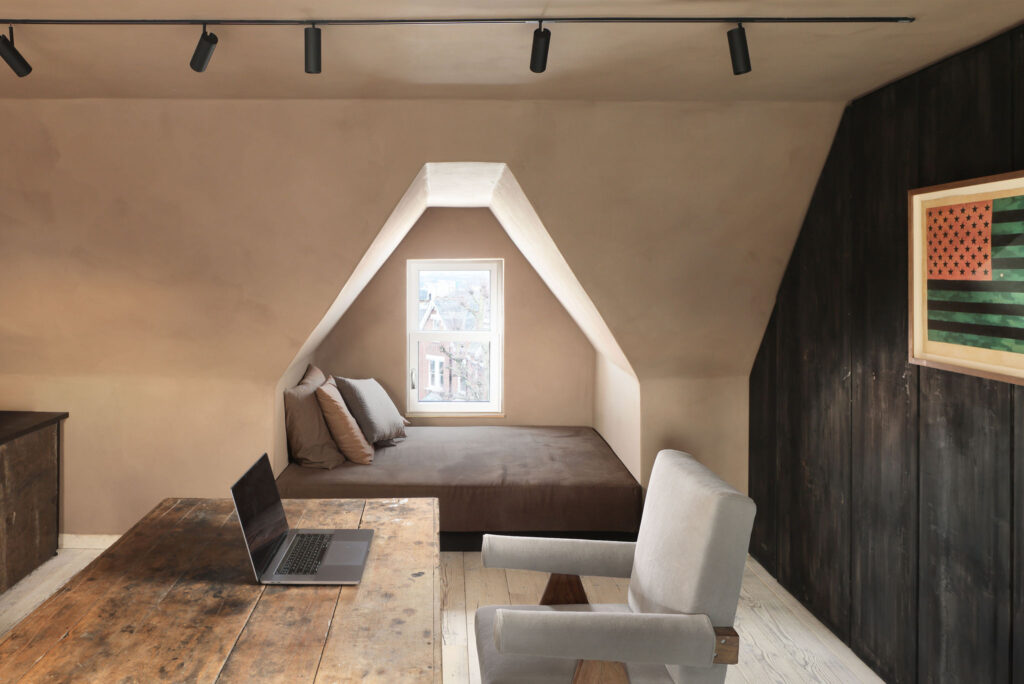
Figure 7: A breathable clay plaster has been applied internally – though some conventional finishes can be used too.
It’s important to bear in mind that internal insulation will impinge on your available floor area by a small amount and it is much more disruptive during the installation.
Insulation of any type must always be specified by a competent professional and installed by a reputable contractor.
Passivhaus
Passivhaus is an internationally recognised building performance standard developed in Germany. At its core, Passivhaus is primarily about comfort. The aim is to achieve a year-round level of comfort by installing excellent insulation and airtight construction, which often means than very little or no heating system is required; but typically, an MVHR system is required to maintain good air quality and humidity levels. In addition to being warm in winter, a well-designed Passivhaus should be cooler in summer too.
GS Architecture recently completed a Passivhaus retrofit of a Victorian home within a conservation area in Hampstead, North London. This project required a great deal of coordination with the local authority and with reputable consultants and contractors; both to ensure that the house was built beautifully, following strict planning requirements, and to a very high standard of construction.
Breathable insulation was selected and breathable finishes too such as clay plaster which help regulate humidity. In addition to being energy efficient, the house is extremely quiet and calm indoors – a secondary benefit of the quality construction that Passivhaus demands.
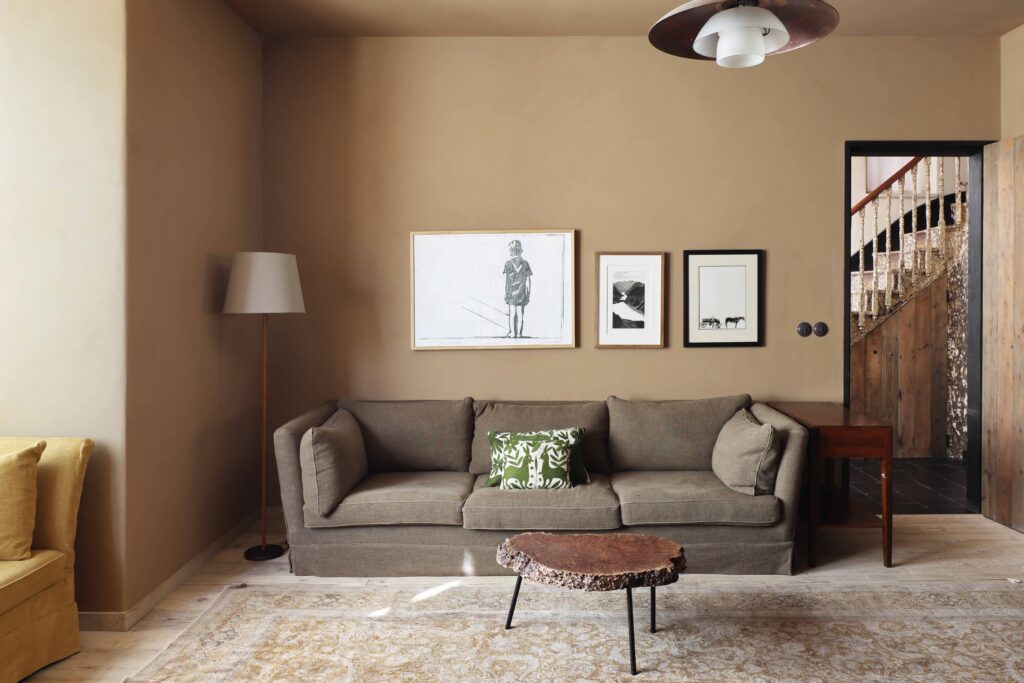
Figure 8: Ventilation and warmth – working in harmony – to create a healthy and comfortable home.
A warmer, healthier home
Keeping a period home warm through winter isn’t simply a matter of turning up the thermostat or adding more insulation. The best results come from treating the building as a whole – balancing warmth, ventilation, humidity and the way the building fabric manages moisture.
Often, relatively simple changes can make a noticeable difference. For homes requiring more substantial improvement, carefully designed ventilation, insulation and whole-house retrofit can transform comfort and energy performance while preserving the character that makes an older property special.
At GS Architecture, we have extensive experience working with period and historic homes, from targeted improvements through to comprehensive Passivhaus retrofits. If you’re considering how to make your home warmer, healthier and more energy efficient, we’d be happy to discuss what might be possible and help you develop an approach that is right for both you and your home.