Delivering Architecture Internationally
Why the Right Practice Matters
International projects now form an increasingly significant part of our architecture and interior design portfolio. Our clients may be purchasing a holiday home, relocating overseas, or investing internationally; presenting exciting opportunities to create exceptional buildings in diverse locations.
Of course, designing across borders brings challenges. Planning systems, building regulations, construction methods, communication, procurement and project management all vary between countries. Successfully navigating these complexities requires experience, adaptability and strong local partnerships.
Over many years of working internationally, we have developed an approach that combines British design leadership with trusted local expertise, allowing projects to progress smoothly from concept to completion.
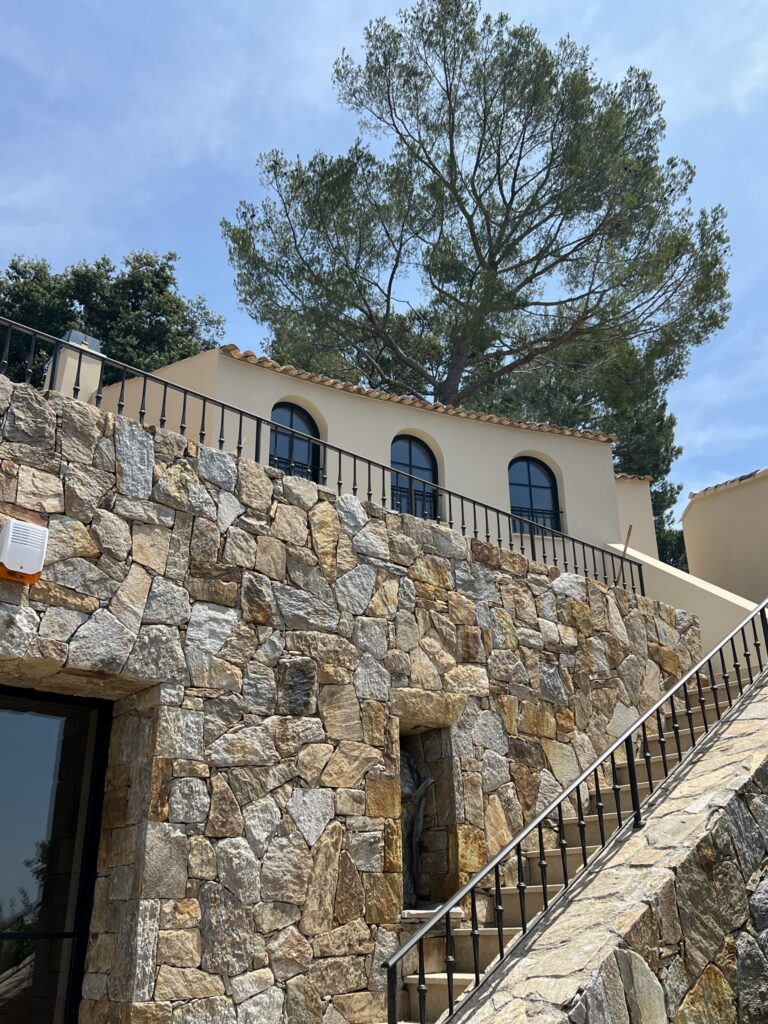
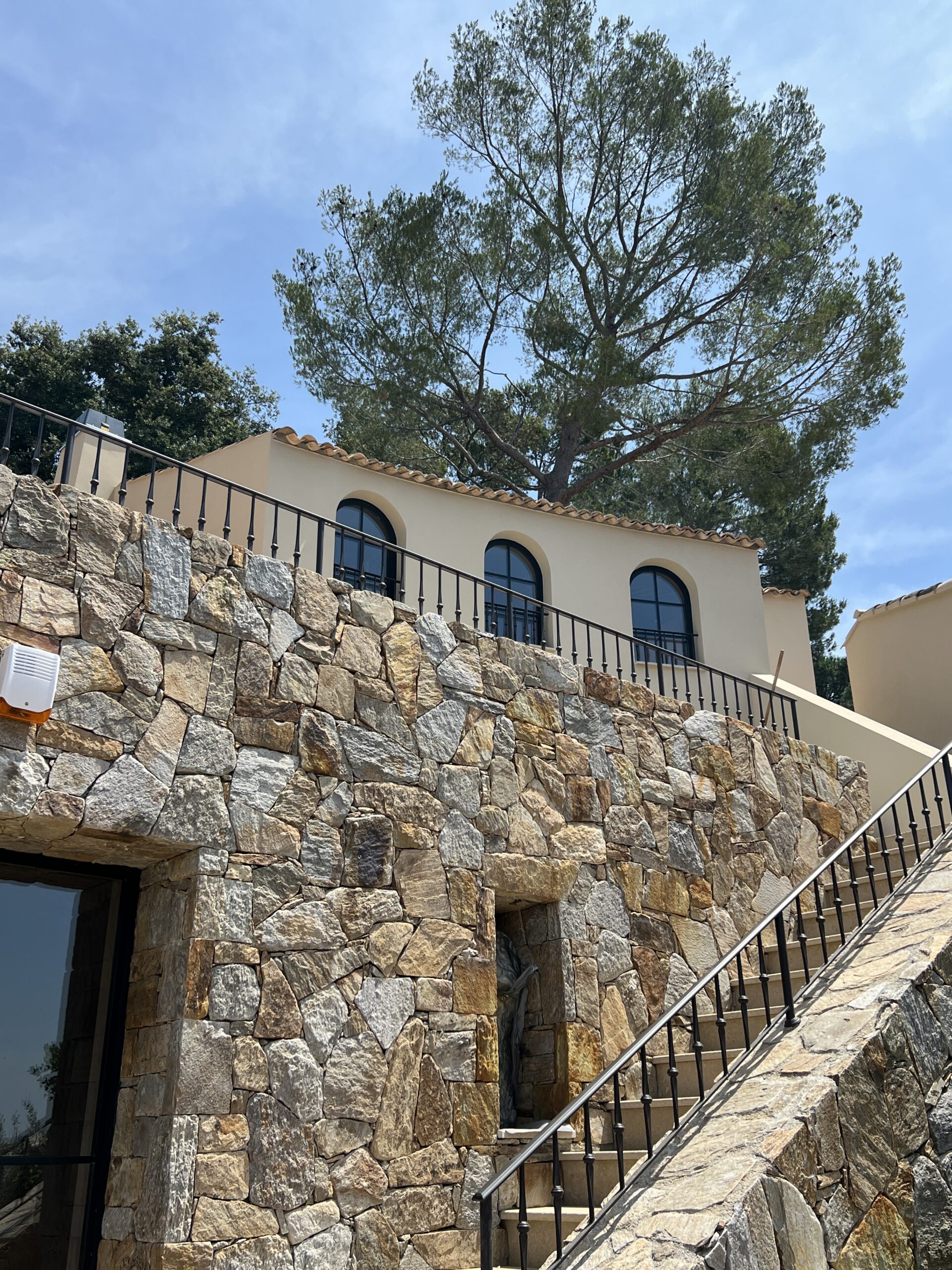
On-site in France
Why Not Simply Appoint a Local Architect?
In some countries, building contractors typically take primary responsibility for construction quality, detailing and even aspects of material specification. The architect’s role may be more limited than clients accustomed to the UK would expect.
The British architectural profession has traditionally evolved around the architect acting as the client’s independent adviser and Lead Consultant. Beyond developing the design, we coordinate consultants, safeguard design quality and represent our clients’ interests throughout procurement and construction. This model provides a level of continuity and independent oversight that is particularly valuable on complex residential projects.
Working within one of the world’s most demanding planning and regulatory environments has also shaped the way British architects practice. Accustomed to balancing creativity with technical rigour, heritage constraints and multidisciplinary coordination, we are well equipped to navigate the complexities of designing across borders.
Our role is not to replace local architects, engineers or craftspeople, but to bring them together around a single, coherent vision. By combining design leadership with trusted local expertise, we create projects that are both internationally informed and deeply rooted in their local context. Design decisions remain intentional rather than reactive, resulting in buildings that achieve the ambitions established at the outset.
For clients, this provides a single point of coordination, reducing complexity and allowing them to focus on the excitement of the project rather than managing numerous consultants across different countries.
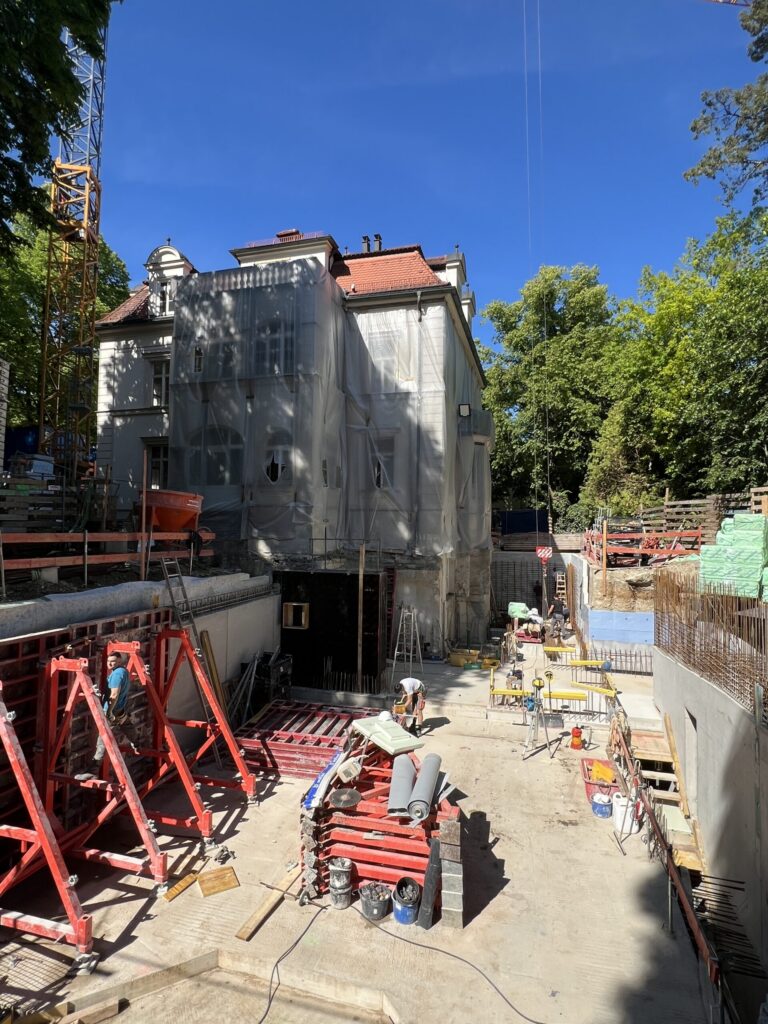
On-site in Germany
Understanding Local Regulations
Every country has its own approach to planning, permits, and approvals. Some jurisdictions rely on highly codified regulations, with extensive rules governing what can and cannot be built. Others take a more design-led approach, providing guidance and exemplar projects rather than prescriptive standards. The former can be difficult to navigate but often offers greater certainty once the rules are understood, whereas the latter may appear more accessible yet leave greater scope for interpretation and negotiation. In any case, understanding the local planning framework is essential to achieving a successful outcome.
Heritage and conservation requirements add another layer of complexity. Many of the world’s most desirable locations owe their character to carefully protected historic environments, where restrictions on scale, materials, colours and architectural language are understandably rigorous. Working within these constraints is not a limitation but an opportunity. Sensitive design often produces richer, more considered architecture than unrestricted development.
Local building regulations are equally important. Standards for fire safety, accessibility, structural design and energy performance differ significantly across jurisdictions. Identifying these requirements early prevents costly redesign during construction.
Where specialist knowledge is required, we collaborate closely with local architects, planning consultants and engineers. Across much of Europe, we have built an established network of trusted professionals whose expertise complements our own.
Respecting Local Knowledge
Construction techniques vary enormously between regions, shaped by climate, culture, available materials and local craftsmanship. Successful international projects depend upon recognising where local knowledge is invaluable. We approach every project with curiosity and humility, asking the right questions and learning from the craftspeople and consultants who understand local methods best.
Different countries also place architects in different positions within the construction process. We understand these varying expectations and adapt accordingly while maintaining our commitment to design quality and client representation.

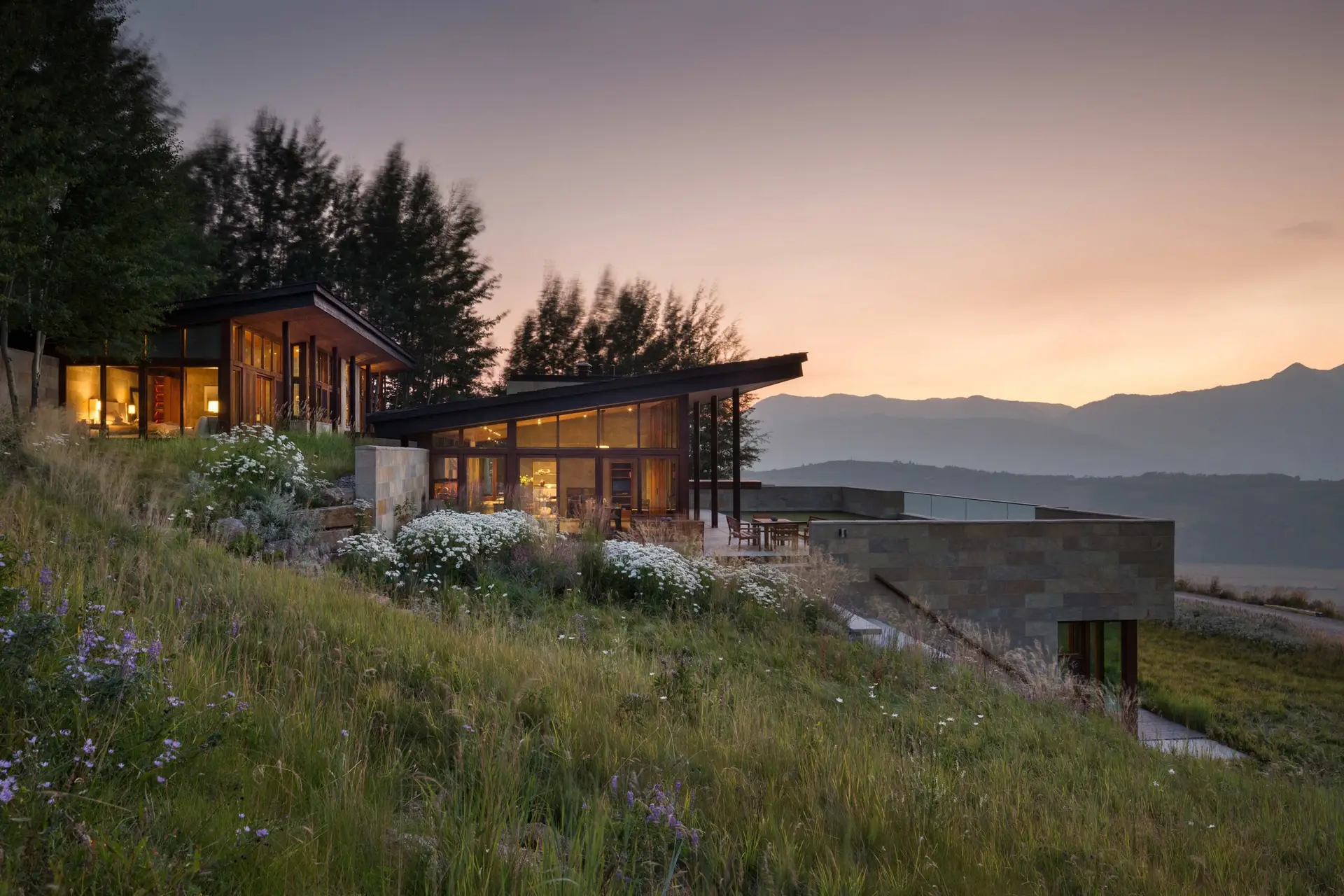
Completed project Jackson Hole USA
Building the Right Delivery Team
Distance, time zones and language differences can make international projects difficult to manage without the right people on the ground. Although we enjoy being closely involved throughout construction, successful overseas projects rely upon trusted local delivery partners, whether a management contractor or experienced project manager, who oversee the day-to-day running of the site.
Where we do not already have an established relationship, we undertake careful due diligence before recommending appointments. With a strong delivery team in place, clear communication becomes the foundation of a successful project. Regular video meetings, reporting procedures, and clearly defined decision-making responsibilities ensure that information flows efficiently and that potential issues are resolved quickly.
Language differences need not become barriers. Technical drawings are often a universal language, and where clarification is needed, a sketch can communicate ideas more effectively than pages of written instruction.
Our construction information is prepared in English, which many contractors and consultants are comfortable working from. Where translation is required, local project managers and consultants assist with interpretation to ensure nothing is lost in communication.
When responsibilities are clearly defined from the outset, projects become significantly easier to coordinate.
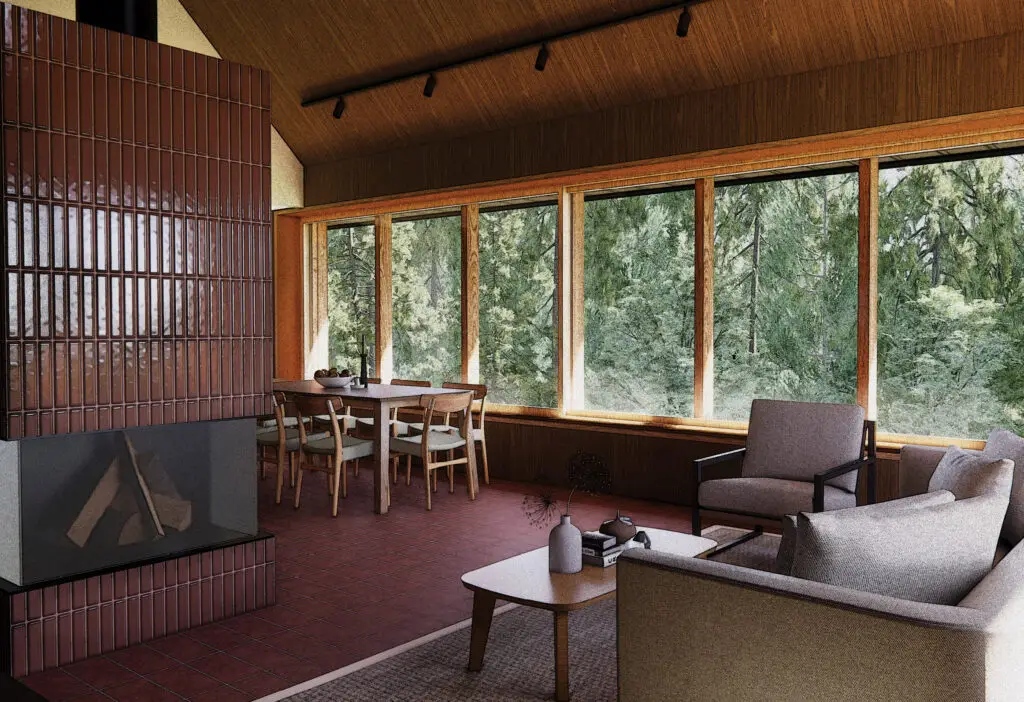
Concept Design Czechia
Beyond Design
International projects involve practical considerations beyond architecture.
Financial transfers, customs regulations, import duties and procurement strategies can all influence programme, cost and specification. With experience operating the UK, the European Union, and beyond, we help clients navigate these issues efficiently and identify opportunities to simplify delivery wherever possible.
Our integrated architecture and interiors service also provides continuity throughout the project. Having one practice responsible for both disciplines ensures consistency of design intent, avoids unnecessary coordination issues and creates a more coherent finished result.
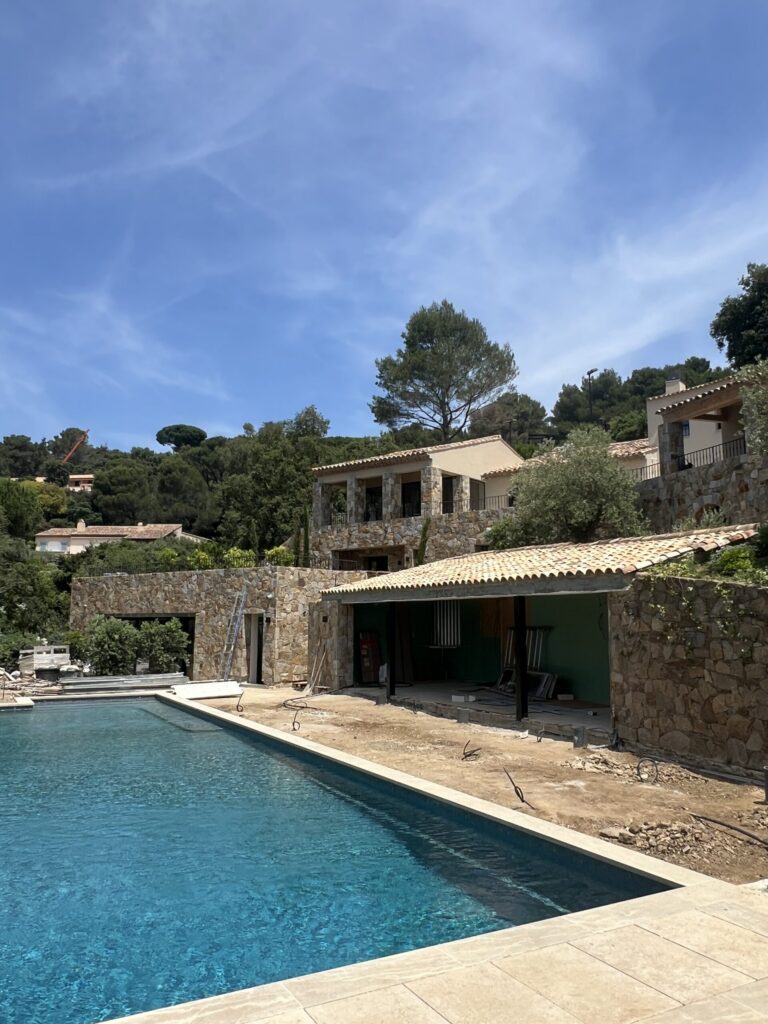
A Project in France
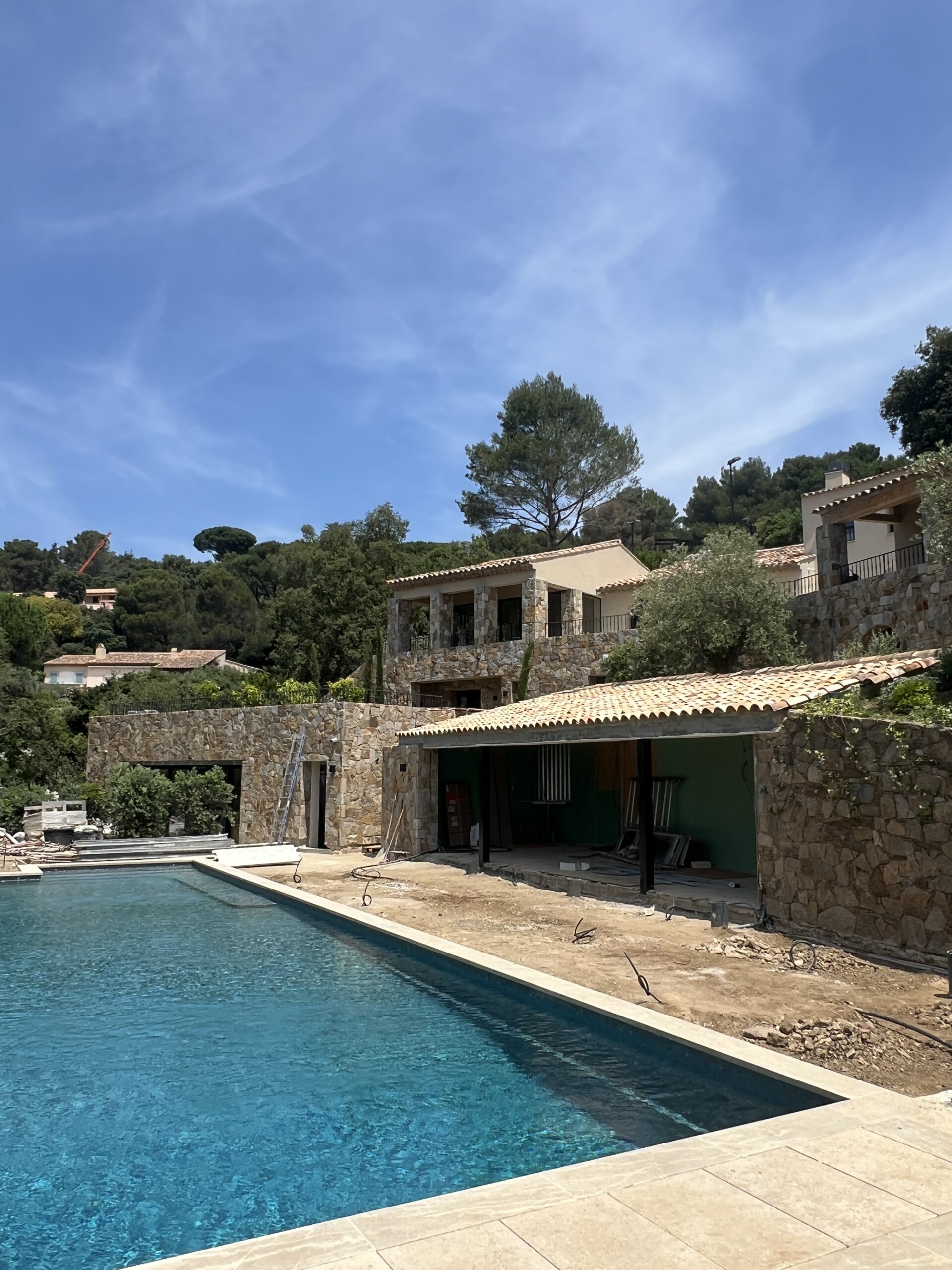
Our recent villa renovation in Saint-Tropez demonstrates the value of this collaborative approach.
Working alongside a trusted Management Contractor with whom we have many years of experience in the UK, we were able to utilise their established network to identify local consultants and specialist contractors from the outset.
A local architect assisted with planning approvals and ensured our proposals responded appropriately to regional regulations and architectural traditions; whilst faithfully integrating our designs. Efficient and good-natured collaboration meant that the permitting process was smooth and allowed for a timely commencement of the building works.
For the interiors, we worked closely with our London-based clients while utilising broad range of suppliers from across the UK and EU to realise the scheme. With careful planning and the right systems in place, procuring within and without the EU was relatively unencumbered.
The combination of trusted partnerships, efficient coordination and careful procurement enabled the project to be delivered within the agreed design fee, while maintaining a high standard of design.
A Project in Ireland
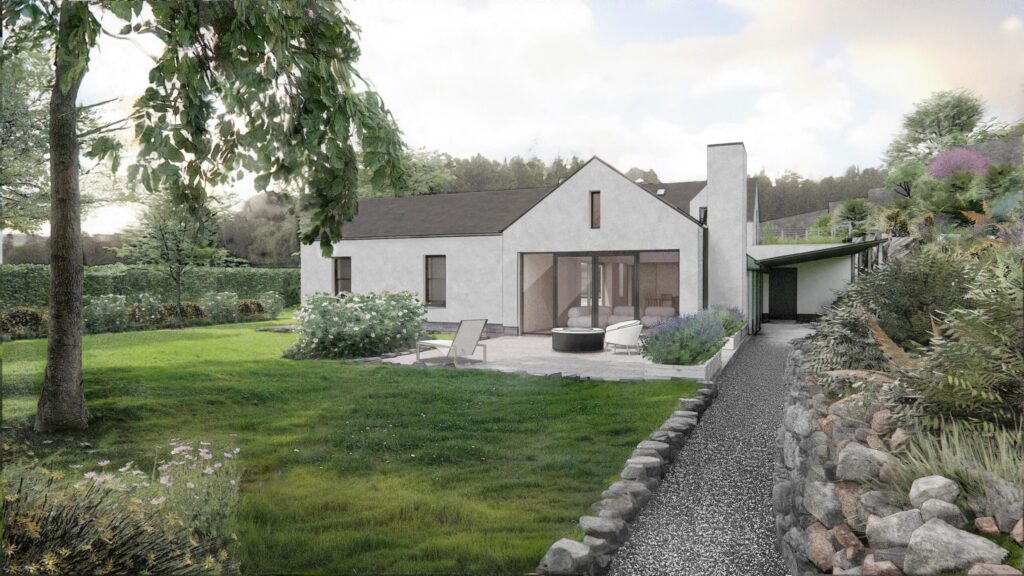
A recently completed residential project in the Republic of Ireland presented similar challenges, particularly around site supervision and procurement.
With less frequent site visits than on a UK project, establishing a close working relationship with a dependable contractor became even more important. Clear communication, mutual trust and well-defined responsibilities ensured construction quality remained high throughout the project.
The experience reinforced an important lesson: successful international projects are built as much on relationships as they are on drawings.
A Project in Germany
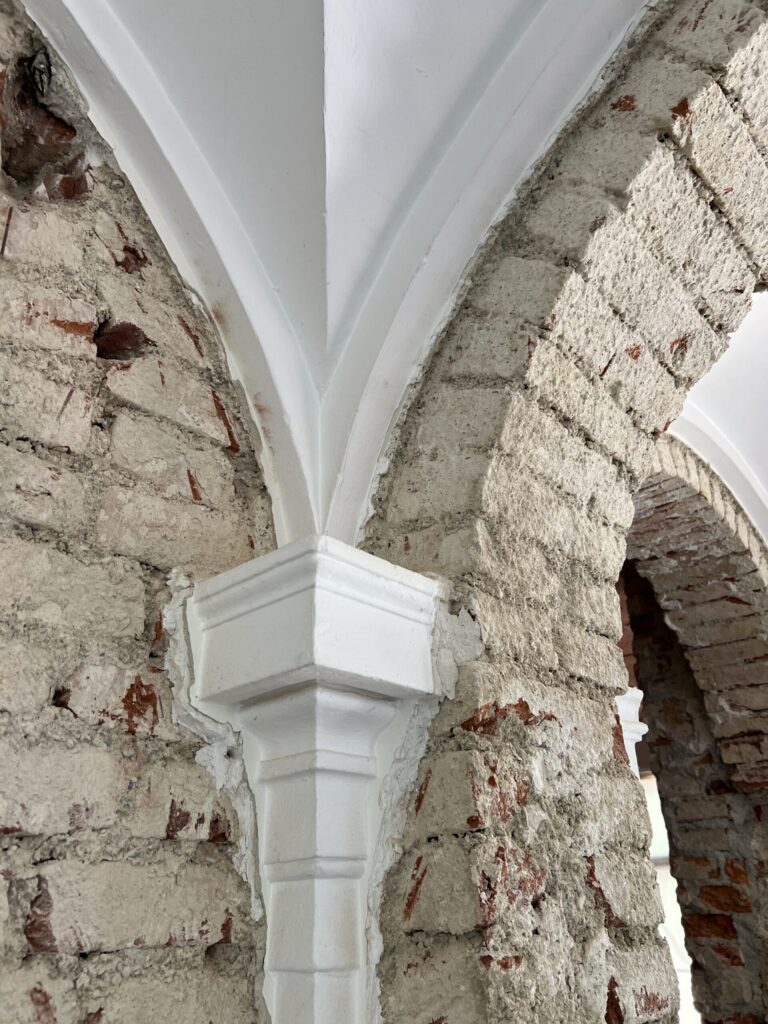
Our current work on a listed residential property in Munich highlights many of the considerations involved in delivering architecture internationally. As with many heritage buildings, the project requires close collaboration with local conservation specialists and consultants to ensure that the building’s historic significance is respected while accommodating the client’s contemporary requirements.
Beyond the heritage considerations, the project has required careful coordination with German architects, engineers and specialist manufacturers to navigate local building regulations, construction methods and product standards. Differences in technical terminology, documentation and procurement processes have reinforced the importance of clear communication and well-defined responsibilities across the design team.
We have worked collaboratively with local professionals whose knowledge of regional construction techniques and statutory requirements is invaluable. Our role has been to maintain the overall design vision and coordinate the wider team, allowing local expertise to inform the technical delivery of the project without compromising the client’s original aspirations.
The result is a genuinely collaborative process that combines British design leadership with German technical expertise, demonstrating how successful international projects are built on mutual respect, trust and shared objectives.
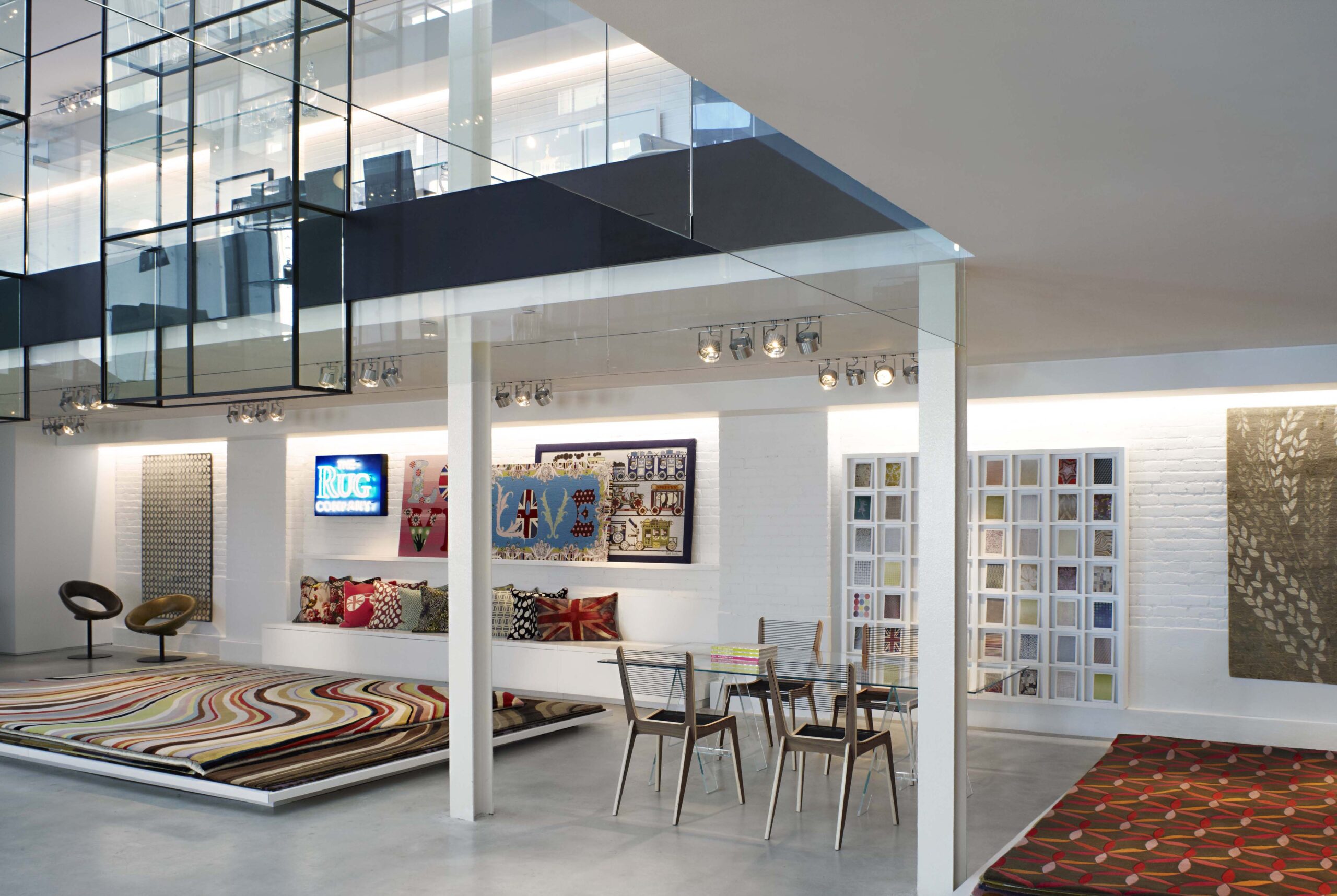
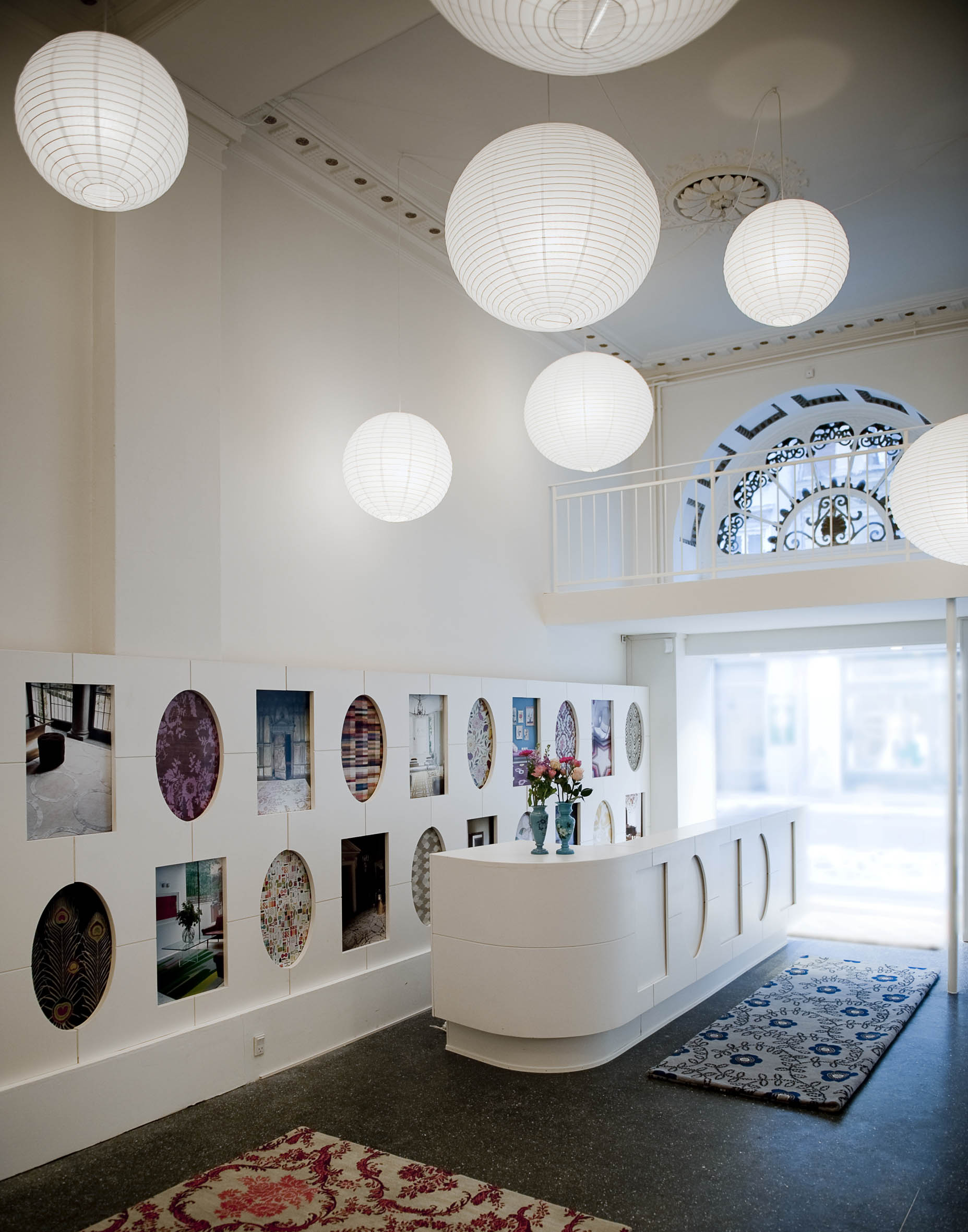
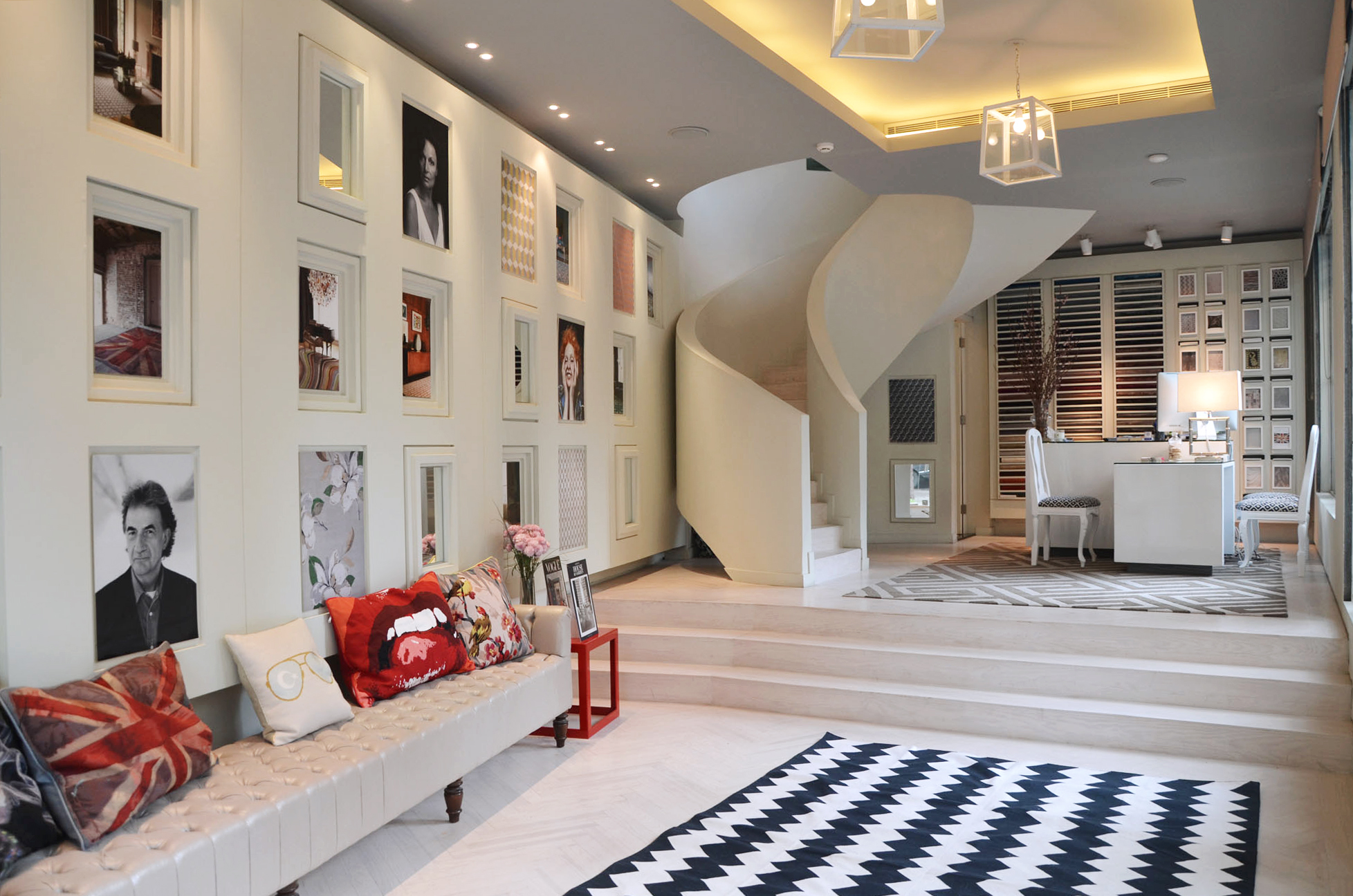
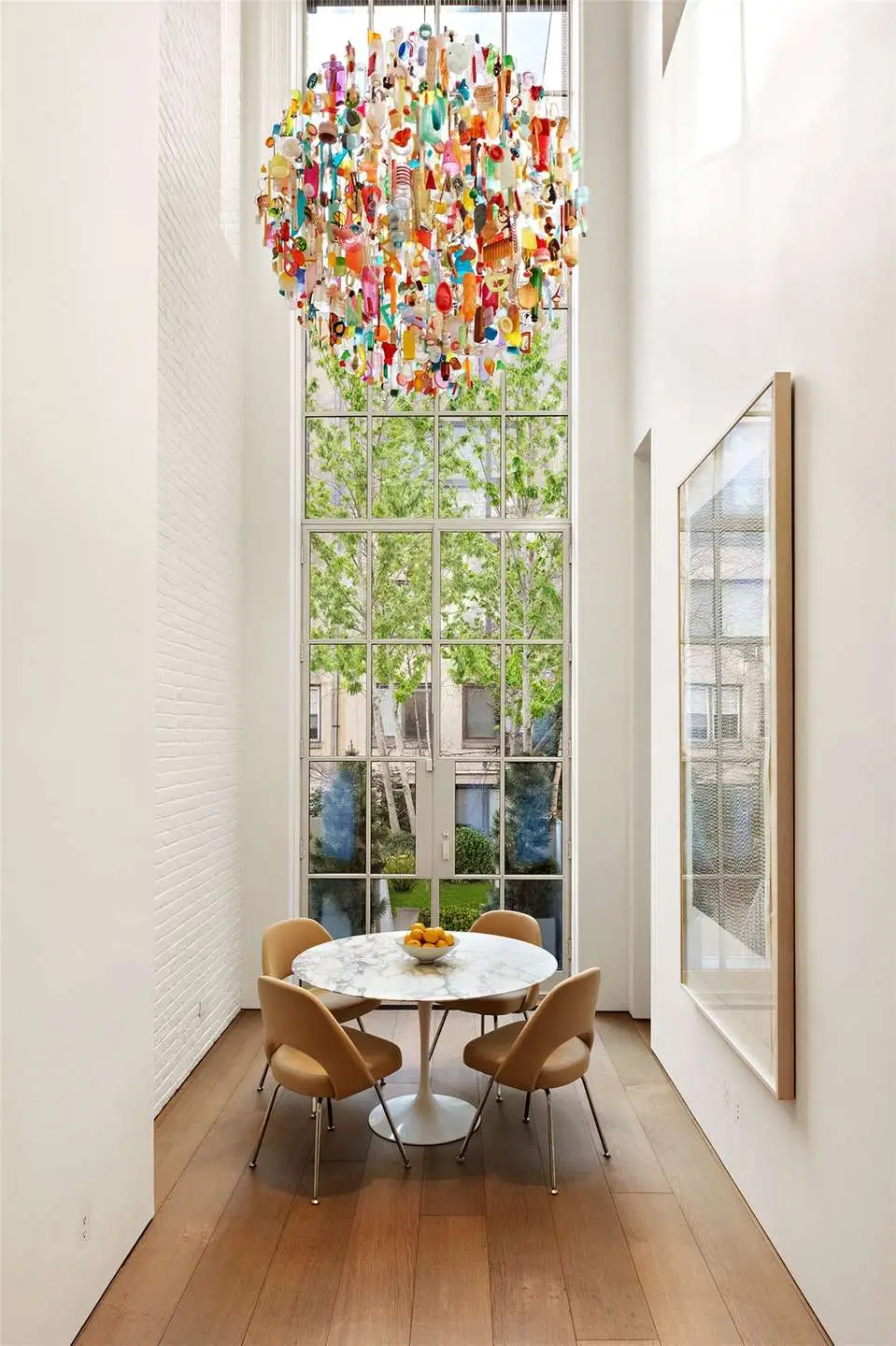
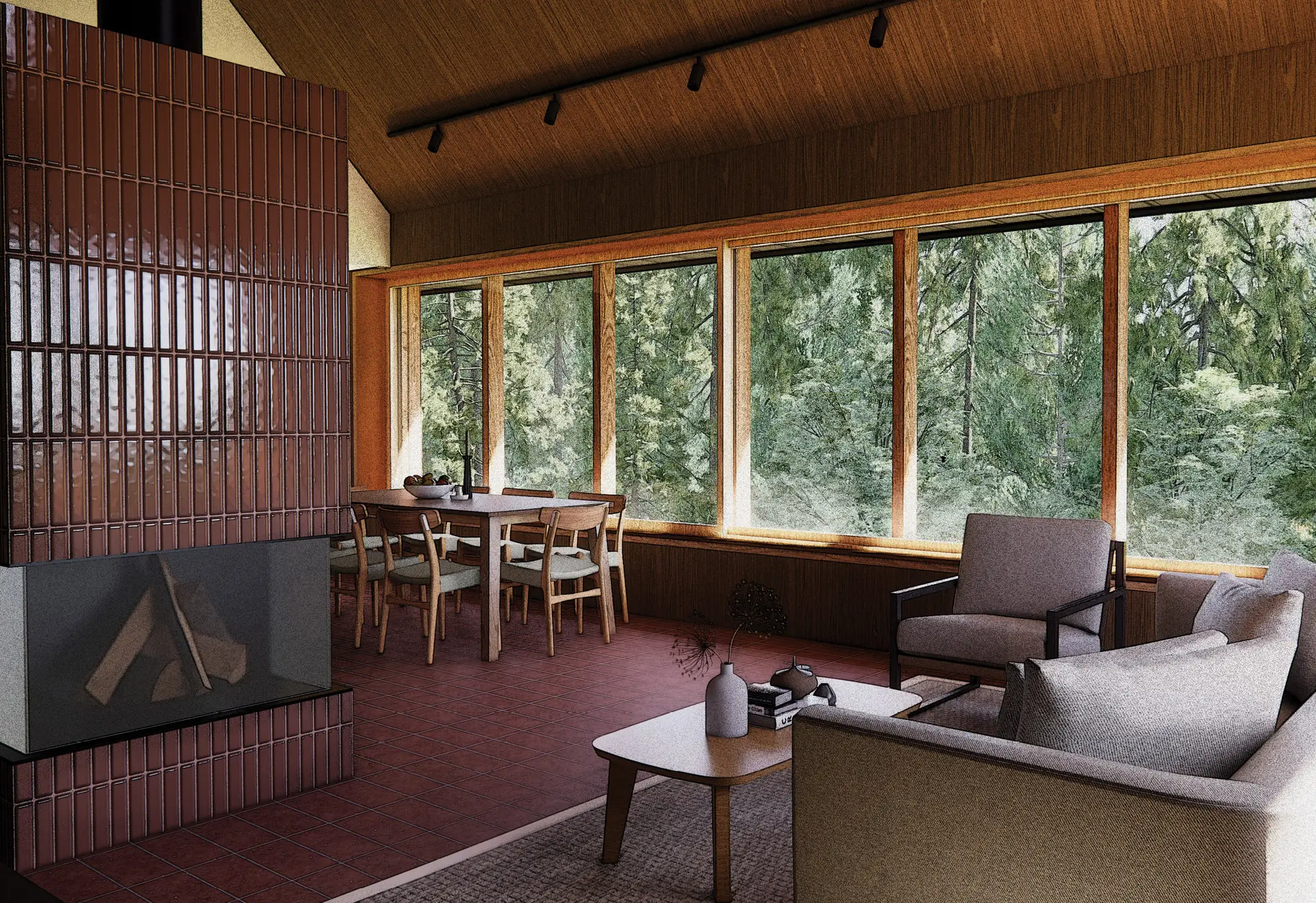
A selection of additional works abroad...





Delivering International Projects Successfully
International architecture is rarely straightforward. However, with experienced design leadership, careful technical coordination and trusted local partnerships, overseas projects can be every bit as successful as those delivered closer to home.
The strongest projects emerge when creative vision is supported by effective collaboration, clear communication and a shared understanding of roles from the very beginning.
If you are considering a project overseas and are looking for a practice that can lead both architecture and interiors internationally, we would be delighted to discuss your plans.
You can also explore some of our recent international work on Instagram at @g_s_architecture.